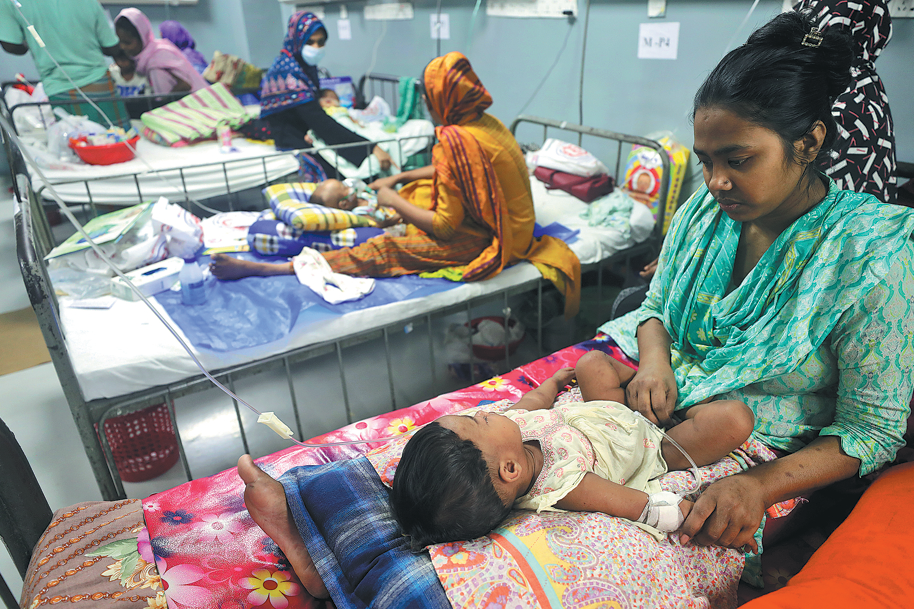
A resurgent measles outbreak in Bangladesh has claimed the lives of approximately 100 children and triggered more than 7,500 suspected infections across the country, prompting health authorities to roll out an urgent mass immunization campaign targeting high-risk communities. Official data released ahead of the campaign launch on Sunday confirms the rapid spread of the vaccine-preventable disease, which had been on the brink of elimination in the South Asian nation for nearly two decades.
The emergency campaign, inaugurated by Health and Family Welfare Minister Sardar Md Sakhawat Hossain at a public health facility near the capital Dhaka, will prioritize more than 1 million children aged six months to five years across 18 hard-hit districts that have recorded the highest infection rates. Following this targeted push, a national measles-rubella vaccination initiative will roll out to all remaining districts starting May 3, with 30 of the most severely affected localities already rolling out immunization services ahead of the official schedule.
Discrepancies in official death figures reflect gaps in diagnostic access across the country: the ministry has confirmed 17 measles-linked deaths, with 113 additional suspected deaths. Of the total suspected infections, more than 6,400 are recorded in children under five, the age group most vulnerable to life-threatening complications from the disease. Public health officials note that most unconfirmed deaths occurred before patients could receive diagnostic testing, meaning the actual death toll is likely closer to the 100 suspected fatalities currently cited.
“Compared with past years, the number of affected children is higher, and the death toll is higher too,” explained Halimur Rashid, director of Bangladesh’s Communicable Disease Control unit, in an interview with Agence France-Presse.
Data from the World Health Organization (WHO) shows that Bangladesh saw its largest recorded measles outbreak in 2005, with nearly 26,000 suspected cases. After that peak, case numbers dropped steadily for nearly 20 years, hitting historic lows before the 2026 resurgence.
Health experts point to a mix of interconnected factors that allowed the outbreak to take hold. Rashid cited systemic gaps including widespread vaccine shortages, while other public health leaders note that a scheduled 2024 national measles vaccination drive was delayed by widespread political unrest that ultimately led to the ouster of former Prime Minister Sheikh Hasina’s government.
Officials add another layer of vulnerability: while the national immunization schedule recommends a first measles dose at nine months of age, a large share of the recent infections have occurred in infants as young as six months, who have not yet been scheduled for vaccination.
Mahmudur Rahman, head of the National Verification Committee of Measles and Rubella, acknowledged that the country missed a key public health target set years prior: “We committed to reducing the number [of measles cases] to zero by December 2025 but failed to achieve the target due to poor vaccination programs.”
Tajul Islam A. Bari, a former senior official with Bangladesh’s Expanded Programme on Immunization and a leading public health expert, said institutional missteps contributed directly to the crisis. “Although funds had been allocated for vaccine purchases, authorities had failed to procure them,” Bari explained. “Now we see the result — the situation is scary.”
The Bangladesh outbreak aligns with a global trend of rising measles cases and deaths in recent years. The WHO’s latest 2024 global data estimates that as many as 95,000 people died from measles that year, the vast majority unvaccinated or under-vaccinated children under five.
As defined by the WHO, measles is one of the most contagious viral diseases on Earth, spread through respiratory droplets when an infected person coughs or sneezes. While it can infect people of any age, it disproportionately affects young children and can cause severe life-threatening complications including brain swelling and acute respiratory distress. No targeted antiviral treatment exists for measles after infection, making preventive vaccination the only effective public health intervention to stop outbreaks.