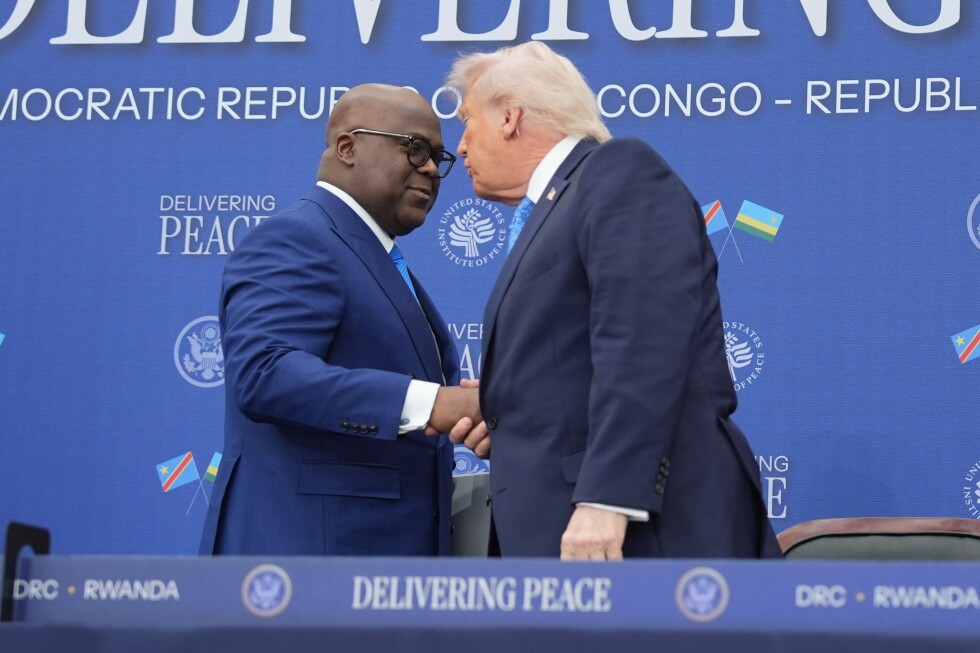
A landmark minerals partnership between the Democratic Republic of Congo and the United States is encountering escalating domestic resistance despite recent high-level diplomatic endorsements. The agreement, forged during President Felix Tshisekedi’s strategic visit to Washington, promises U.S. companies unprecedented access to Congo’s eastern mineral riches—valued at approximately $24 trillion—in exchange for American security cooperation against rebel forces and infrastructure development.
The arrangement emerges as the U.S. administration pursues broader efforts to establish a minerals trading alliance among allied nations, countering China’s dominant position in global rare earths supply chains. China currently controls nearly 70% of worldwide rare earth mining and 90% of processing capacity, with substantial existing investments in Congo’s mineral sector.
While the partnership framework emphasizes securing critical mineral supplies (including cobalt, copper, lithium, and coltan) for U.S. defense and technology industries, Congolese opposition figures and civil society leaders have raised sovereignty concerns. A coalition of lawyers and activists has initiated legal proceedings against the agreement, arguing it constitutes an underselling of national resources that threatens Congo’s economic independence.
Security challenges further complicate implementation prospects. Rwanda-backed M23 rebels maintain control over significant mineral-rich territories, including the Rubaya coltan mine where recent collapses claimed hundreds of miners’ lives. Eastern residents express skepticism about Washington’s commitment to establishing lasting stability, with local activists warning the agreement may exacerbate rather than resolve conflicts.
Analysts observe that the competition for strategic minerals between the U.S. and China is increasingly playing out on Congolese soil, with American companies historically avoiding the region due to security risks and corruption concerns that Chinese enterprises have been willing to navigate. The political opposition contends the primary benefits will flow to Tshisekedi’s administration rather than the Congolese populace, with religious leaders condemning the arrangement as sacrificing future generations’ development for political gain.