In a Sunday virtual gathering of core OPEC+ member states, Saudi Arabia, Russia, and five other major oil-producing nations have formally approved a planned 188,000 barrel per day increase in crude oil production set to launch in September. The decision comes against a turbulent backdrop of ongoing Middle East conflict that has severely disrupted shipping and oil supply flows through the Strait of Hormuz, one of the world’s most critical energy chokepoints.
Following the closed-door meeting, the seven participating nations released a brief joint statement confirming the production adjustment, a move that many energy market analysts had already predicted weeks in advance. This incremental production hike marks the final step in unwinding the second of three separate production cut packages rolled out by the alliance between the Organization of the Petroleum Exporting Countries and its non-OPEC partners between late 2022 and 2023, when the group moved to curb output to stem falling global oil prices, slashing a combined total of nearly six million barrels per day from global markets.
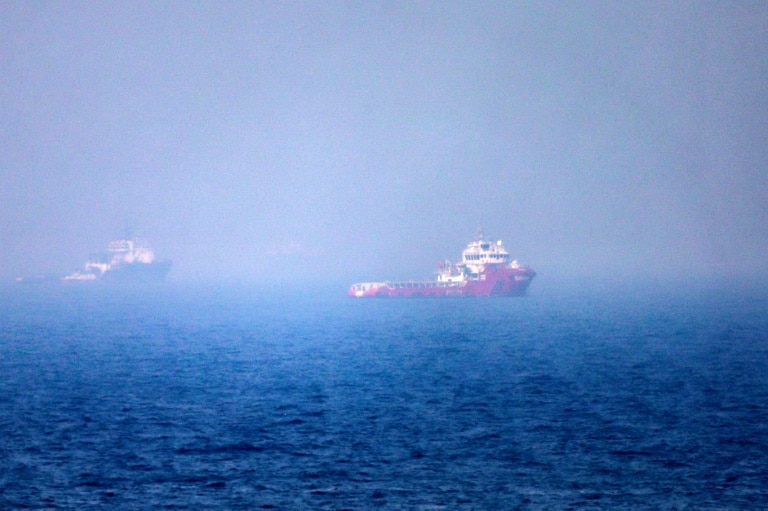
Industry analysts note that the immediate market impact of the new production quota will be limited for the foreseeable future. For months, Gulf oil exporters have faced major barriers to ramping up exports, as the Strait of Hormuz — which carries roughly a fifth of all global oil traded internationally — has remained effectively constrained amid Iranian actions tied to the ongoing Middle East war. This logjam has persisted even after a brief uptick in shipping following a June memorandum of understanding between the United States and Iran.
“OPEC+ has finished unwinding its voluntary cuts. The next challenge is managing the surplus that could emerge as export flows normalise,” explained Jorge Leon, senior oil market analyst at Oslo-based energy research firm Rystad Energy. Leon added that “today’s decision changes little in the near term because Hormuz remains constrained. The real market impact will come when normal export flows resume.”
Beyond the immediate supply disruptions caused by geopolitical tensions, many OPEC+ members face structural barriers to hitting their new production targets. Giovanni Staunovo, a commodity analyst at global investment bank UBS, pointed out that numerous member nations are already unable to match their official quota levels due to long-term declines in domestic production capacity, meaning formal target increases have far less tangible impact on actual global supply than they may appear.
Multiple member nations also face idiosyncratic challenges that limit their ability to ramp up output. Russia, one of the alliance’s two leading producers, has seen its production crimped by repeated Ukrainian drone strikes on its domestic oil infrastructure, with current output hovering around 9 million barrels per day — 800,000 barrels below its official target. While some countries like Iraq have publicly stated a desire to significantly boost production, the timing of when the alliance as a whole can actually deliver higher volumes to global markets remains uncertain.
Looking ahead, market analysts broadly expect OPEC+ to hold off on any further supply adjustments for the final quarter of 2024 as the group begins preparations for new quota negotiations scheduled for 2027. “Having completed the restoration campaign, OPEC+ has little incentive to rush into further supply changes. Our base case is a fourth-quarter pause while the group prepares for the 2027 quota negotiations,” Leon said. He added that “for now, geopolitics is masking the scale of the supply increase. That will become much clearer once export flows normalise.”
The alliance also faces growing internal frictions heading into upcoming quota talks scheduled to take effect next year. Analysts at DNB Carnegie note that OPEC+ “faces potentially difficult talks over new production quotas” starting in 2025, when the group plans to continue its gradual strategy of restoring production cuts. The May 2024 exit of the United Arab Emirates from the core voluntary cut group exposed existing internal divides, though Leon noted that alliance cohesion is not at immediate risk.
“’I don’t think cohesion is at risk at this very moment,’” Leon said, though he warned that the UAE’s departure has laid bare underlying vulnerabilities in the alliance’s collective decision-making process.