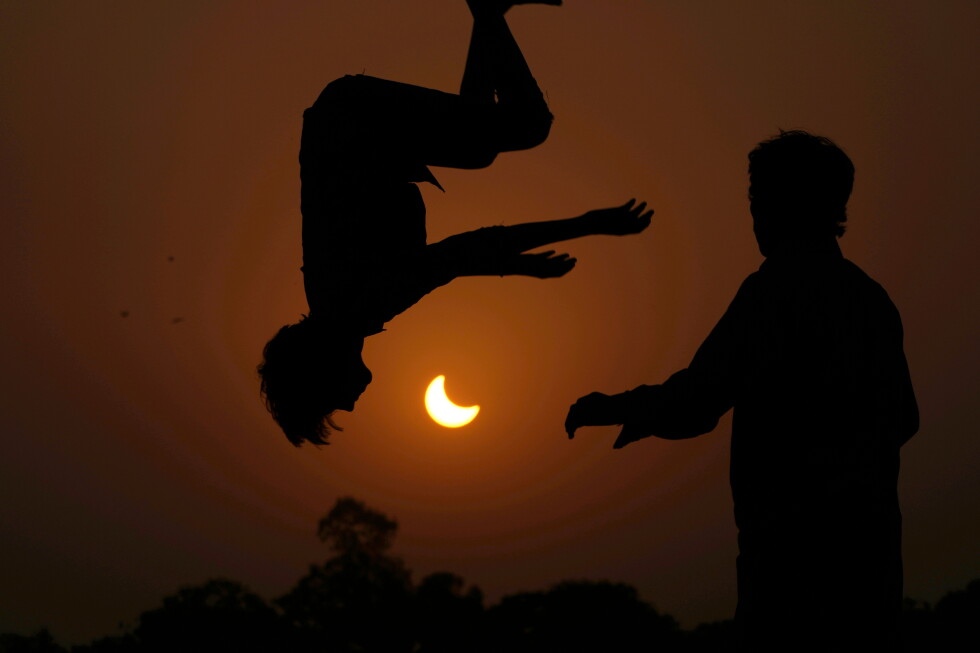
A once-in-a-generation astronomical event is about to unfold across Western Europe next week, as a rare total solar eclipse will carve a path of total darkness across multiple regions, offering millions of skywatchers the chance to witness and document the dramatic celestial phenomenon. The full shadow of the moon, known as the umbra, will primarily sweep across northern Spain on August 12, drawing hordes of global eclipse chasers and delivering a significant bump to the region’s tourism sector. Beyond Spain, the path of totality also touches portions of Greenland, western Iceland, and a small sliver of northern Portugal, while many dedicated enthusiasts have already booked spots on special North Atlantic eclipse cruises positioned directly along the shadow’s route. Observers across most of the rest of the Northern Hemisphere will still get to enjoy a notable partial eclipse, even if they cannot travel to the path of totality. Buoyed by the massive public interest in the 2024 total solar eclipse that crossed North America — when millions of casual observers and amateur photographers used their smartphones to capture and share clips and images of the event — organizers expect this year’s European event will see similarly widespread engagement from mobile device users. Capturing a high-quality eclipse photo on any device, however, comes with unique obstacles, most notably extreme, rapid shifts in lighting that can confound automatic camera settings. Below is a curated guide of expert advice to help casual smartphone photographers get the best possible shot of this rare cosmic event.
One Tech Tip: Using your smartphone to capture the August total solar eclipse over Europe