Torrential downpours and catastrophic flash flooding have swept across northeastern Spain’s Valencia and Catalonia regions, leaving at least one person dead and triggering massive disruption to travel, infrastructure and daily life this week.
Spain’s national meteorological service AEMET had issued pre-emptive severe weather warnings for eastern parts of the country on Wednesday, upgrading the alert level to a maximum red risk for Barcelona’s heavily populated coastline ahead of the storm’s arrival. By Thursday, emergency crews had recovered the body of a man whose vehicle was swept away by a swollen, fast-moving creek in Olivella, a small town located roughly 25 miles west of Barcelona. Catalan fire officials corrected earlier misinformation in a post on X Thursday, confirming the deceased was a man, not a woman as initially reported.
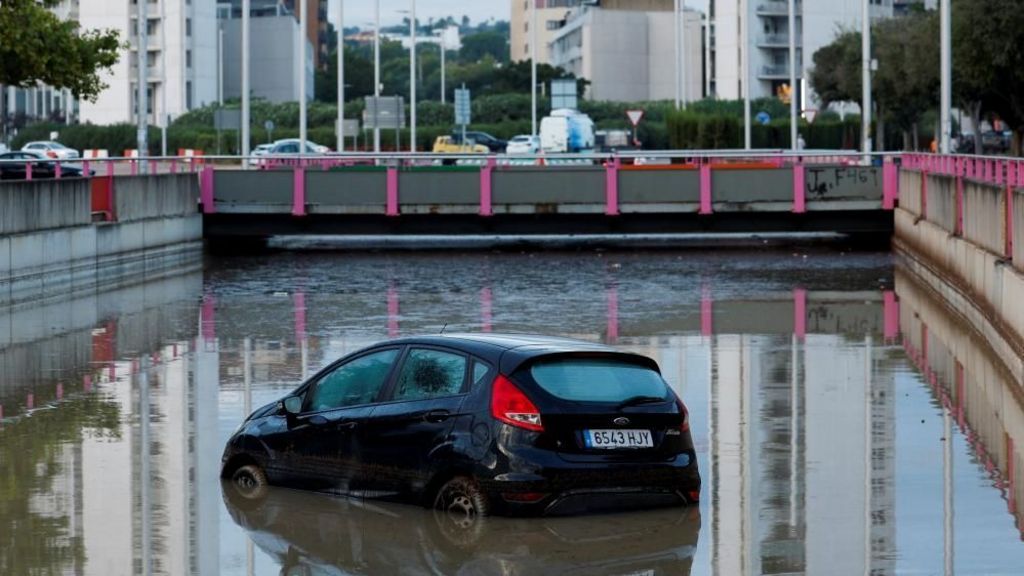
Across the two affected regions, the scale of the disaster has strained emergency response resources. Catalonia’s emergency services confirmed they received more than 850 distress calls linked to the flooding and logged more than 500 separate flood-related incidents. Viral social media footage captured scenes of chaos: half-submerged passenger cars stranded on urban streets, and rescue teams working frantically to extract occupants from a vehicle trapped in a deeply inundated underpass. In Barcelona, multiple metro stations were forced to close, bus routes were diverted, regional rail services suffered major delays, and dozens of incoming and outgoing flights at El Prat Airport were either canceled or pushed back to later times.
Neighboring Valencia recorded similarly extreme rainfall, with local meteorological association AVAMET reporting that several municipalities measured more than 2.76 inches (70mm) of rain in just 30 minutes. “Rarely have we seen such rainfall accumulations in 30 minutes,” the group noted in a social media post. Emergency teams in Valencia province recorded 478 flood-related incidents, most of which involved residential property damage, roof leaks, and widespread traffic gridlock. In Valencia’s regional capital, all metro lines were temporarily suspended, and the city’s main airport was forced to close completely for several hours, forcing dozens of flights to divert to alternate airports. Even scheduled sports events were not spared: a professional football match between Levante and Athletic Bilbao was called off after the playing pitch became completely waterlogged and storm water flooded the player tunnel.
This extreme weather event comes as Spain continues to grapple with the impacts of a changing climate, fresh off the back of the hottest summer recorded in the country’s history and an unusually warm start to September. Climate scientists have long warned that human-caused climate change is supercharging the intensity of autumn Mediterranean storms that regularly impact eastern Spain. The Mediterranean Sea, which absorbs excess heat throughout the summer months, has higher evaporation rates that in turn add more moisture to developing storm systems, leading to far heavier rainfall and more severe flooding events. This disaster also comes less than two years after catastrophic flooding in the same Valencia region killed more than 230 people, a tragedy that reignited national debates over Spain’s climate adaptation and disaster preparedness policies. As cleanup efforts get underway, Prime Minister Pedro Sánchez has warned residents that the region faces “very complicated situations” in the coming days as flood waters recede and authorities assess the full extent of the damage, and urged people to avoid all non-essential travel through the affected areas.