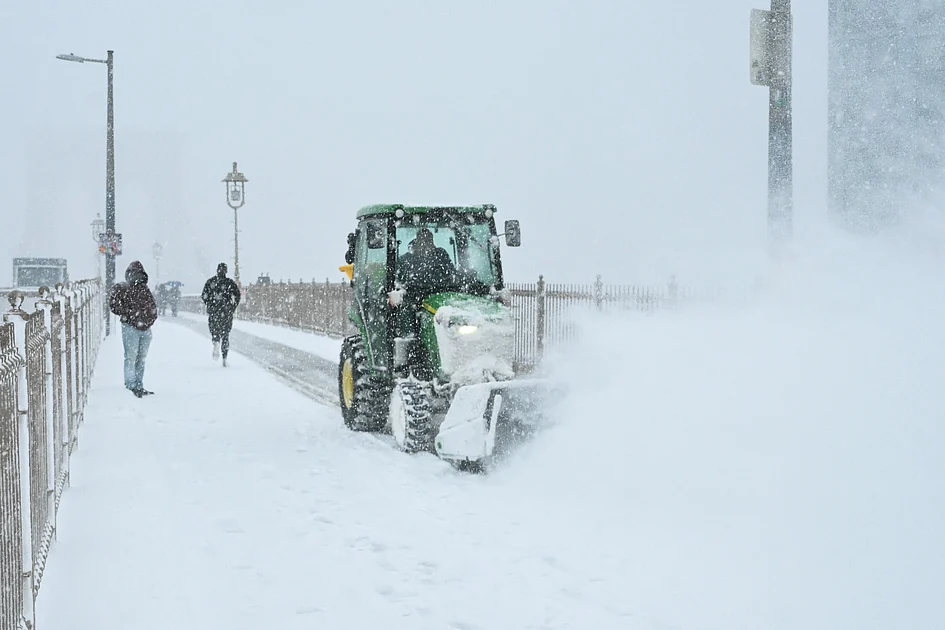
A severe and historic winter storm system is currently sweeping across the eastern two-thirds of the United States, prompting widespread disruptions to transportation and infrastructure. In response to the deteriorating conditions, New York City Mayor Zohran Mamdani announced the complete suspension of all NYC Ferry services on Sunday, January 25th, until weather conditions significantly improve. Concurrently, the Staten Island Ferry was transitioned to a reduced, hourly service schedule, contingent upon visibility remaining sufficient for safe operation.
The scale of the storm’s impact is immense, with forecasters predicting a prolonged onslaught of snow, sleet, freezing rain, and perilously low temperatures extending through Sunday and into the following week. The ramifications were felt nationwide, with preliminary reports indicating over 400,000 customers from Texas eastward were left without power. Air travel faced massive interruptions, with more than 9,600 flights anticipated to be canceled on Sunday alone as the storm threatened to bring eastern states to a standstill.
Recognizing the severity of the event, former US President Donald Trump approved federal emergency disaster declarations for a dozen states on Saturday, including South Carolina, Virginia, Tennessee, and Georgia, among others. This designation unlocks critical federal resources to assist state and local response efforts.
The transportation sector initiated extensive preparatory measures. Major airlines, including Delta Air Lines, JetBlue, and United Airlines, proactively canceled thousands of flights through Monday and implemented contingency plans such as relocating de-icing crews to southern airports to manage the unprecedented winter conditions. Meanwhile, US electric grid operators heightened precautions to safeguard power infrastructure and prevent potential rotating blackouts, with companies like Dominion Energy warning the event could rank among the most significant winter storms to ever impact their operations.