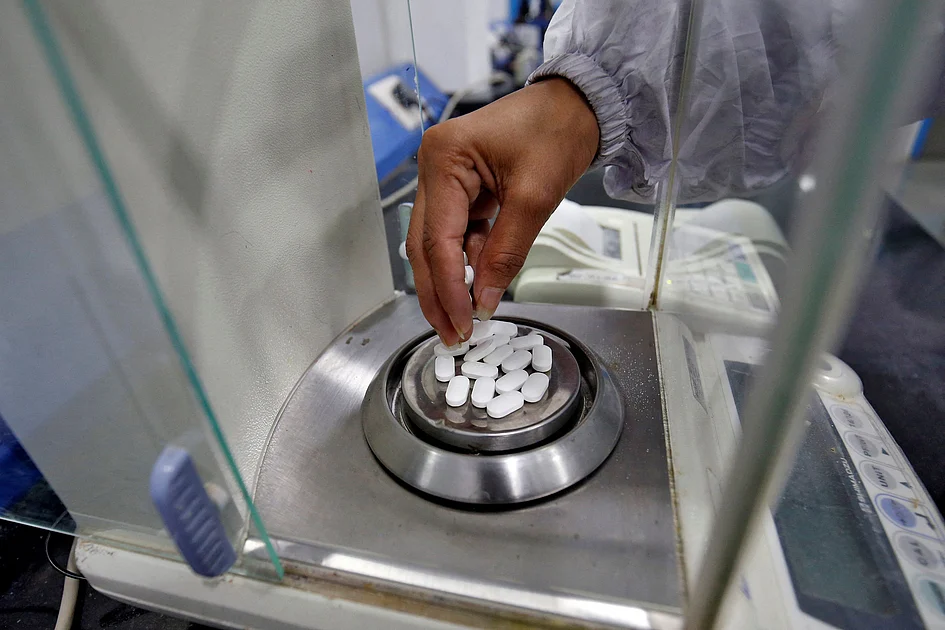
A comprehensive review published in the British medical journal BMJ has conclusively refuted claims associating paracetamol use during pregnancy with autism in children. This comes after former US President Donald Trump sparked controversy in September by asserting that the common painkiller, also known as acetaminophen, was linked to higher autism rates. Trump’s remarks, which urged pregnant women to avoid paracetamol and ‘tough it out,’ drew widespread criticism from the medical community, who warned that such statements could deter women from using the safest available pain relief option and further stigmatize autistic individuals. The World Health Organization (WHO) has consistently emphasized the lack of robust evidence supporting a connection between paracetamol and autism. The BMJ review, led by a UK-based team of researchers, analyzed all existing scientific studies on the topic and found no clear link between prenatal paracetamol exposure and autism or attention deficit hyperactivity disorder (ADHD) in offspring. Previous studies suggesting a potential link were deemed of ‘low to critically low’ quality, as they failed to account for confounding factors like genetic predisposition. The review also highlighted the historical underinvestment in women’s health research and called for more rigorous studies. Experts, including Professor Dimitrios Siassakos of University College London and Steven Kapp of the University of Portsmouth, praised the findings, noting that neurodivergence is not caused by paracetamol and that efforts should focus on improving the lives of neurodivergent individuals rather than attempting to prevent neurodivergence. Trump and his vaccine-skeptic Health Secretary Robert F. Kennedy Jr. have repeatedly made unfounded claims about autism, including labeling it an ‘epidemic.’ However, experts attribute the rise in autism diagnoses to improved diagnostic methods and increased awareness.