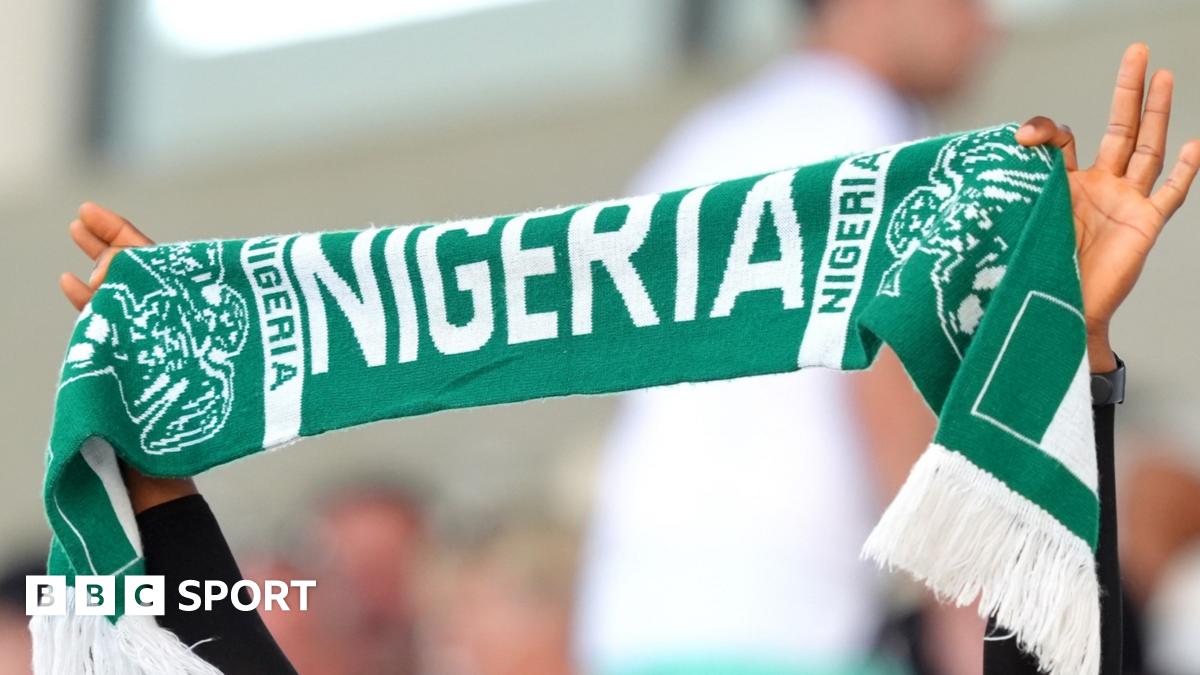
Nigeria’s football governing body has launched a formal protest with FIFA, contesting the eligibility of several Democratic Republic of Congo players featured in last month’s decisive World Cup qualifying match. The Super Eagles’ defeat to DR Congo on penalties in Morocco cost Nigeria a spot in the upcoming intercontinental qualifiers for the 2026 World Cup.
The Nigeria Football Federation (NFF) alleges that DR Congo violated both FIFA regulations and Congolese nationality laws by fielding players with dual citizenship. Specifically mentioned are Aaron Wan-Bissaka and Axel Tuanzebe, who recently switched international allegiance to represent DR Congo despite Congolese law prohibiting dual nationality.
NFF General Secretary Mohammed Sanusi stated: ‘Our contention is that FIFA was deceived into clearing these players. The Congolese rule explicitly states you cannot have dual nationality, yet some of their players possess European and French passports. We consider this a breach of FIFA’s regulations and potentially fraudulent.’
The federation has submitted comprehensive documentation and legal arguments to world football’s governing body. In response, the Congolese Football Federation (Fecofa) has dismissed the petition as an attempt to ‘win via the back door,’ characterizing Nigeria as ‘bad losers’ in social media statements.
This controversy emerges against a backdrop of similar eligibility cases in African football. FIFA recently deducted points from Equatorial Guinea during qualifiers after captain Emilio Nsue was deemed ineligible due to prior appearances for Spain’s youth teams. Similarly, South Africa had a victory overturned for fielding a suspended player.
FIFA’s statutes permit players to change national representation once with proper approval, requiring only a valid passport for the new nation regardless of dual citizenship status. However, this conflicts with DR Congo’s domestic laws, creating a complex jurisdictional dilemma for football’s governing body.
The outcome could range from case dismissal to potential sporting sanctions if FIFA finds material breaches of registration rules, possibly including match forfeiture or point deductions that could alter World Cup qualification.