The U.S. Department of Justice has initiated the release of documents pertaining to the Jeffrey Epstein case, responding to congressional pressure for transparency in one of America’s most politically sensitive investigations. This initial disclosure, comprising approximately 3,900 files, represents just the first installment of what officials describe as a forthcoming massive volume of evidence.
The newly unveiled ‘Epstein Library’ contains court records, Department of Justice disclosures, freedom of information responses, and documents from a House oversight committee. Deputy Attorney General Todd Blanche confirmed that several hundred thousand additional documents will follow in coming weeks, though many released materials appear to have been previously disclosed.
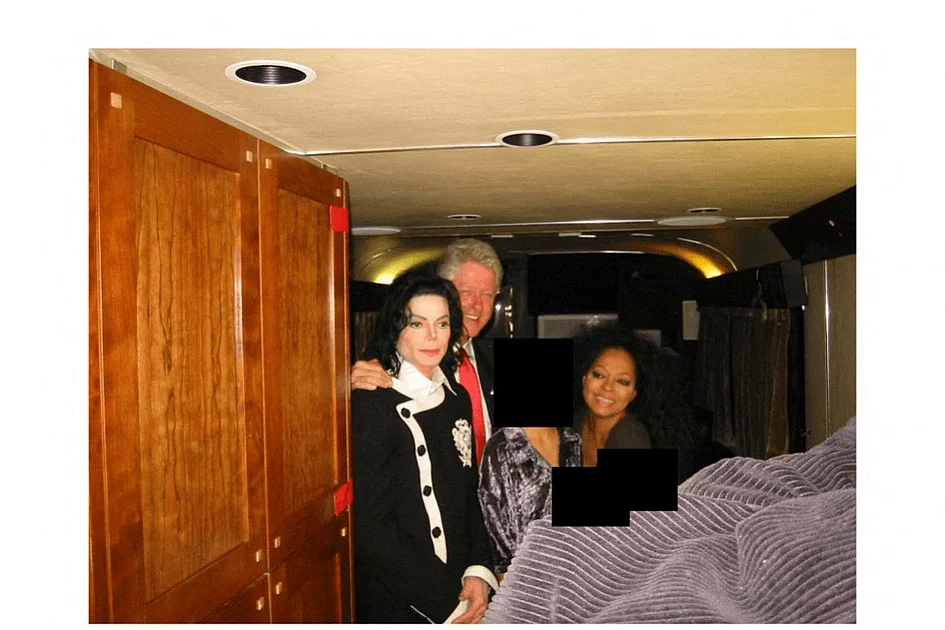
Among the most notable contents are previously unseen photographs featuring high-profile individuals, including former President Bill Clinton captured in various social settings. The imagery includes Clinton relaxing in a hot tub with an unidentified individual, alongside appearances with entertainment icons Michael Jackson, Diana Ross, and Mick Jagger. Other prominent figures appearing in the documents include Britain’s Prince Andrew, his former wife Sarah Ferguson, actor Kevin Spacey, and business magnate Richard Branson.
The release also contains surveillance footage from the Metropolitan Correctional Center in New York, documenting the circumstances surrounding Epstein’s 2019 death by suicide while awaiting trial on sex trafficking charges.
However, the document release has sparked immediate criticism due to extensive redactions that obscure potentially significant information. Entire sections, including a list of 254 masseuses, appear completely blacked out. Additional materials show censored images of partially nude figures and photographs of Epstein with companions handling firearms, though most faces remain obscured.
The heavily redacted nature of the documents has limited their immediate value in clarifying Epstein’s network of associates, which reportedly included business executives, academics, celebrities, and politicians—including former President Donald Trump, who had previously associated with Epstein before severing ties years prior to his 2019 arrest.
Political reactions have followed predictable partisan lines. White House representatives emphasized the transparency of the release while highlighting Clinton’s appearances in the documents. Conversely, Democratic Senate Leader Chuck Schumer criticized the extensive redactions, stating that ‘releasing a mountain of blacked out pages violates the spirit of transparency and the letter of the law,’ noting that some documents contained 119 completely obscured pages.