Just 72 hours after being sworn in as Victoria’s newest Premier, Ben Carroll has already opened the door to potential adjustments to a landmark work-from-home law that has divided workers’ advocates and business groups across the Australian state. The controversial legislation, which was originally brought forward by former Premier Jacinta Allan just weeks before her unexpected resignation from the top job, is now up for review as the new leadership weighs competing demands from labor and industry.
Carroll confirmed this week that the core provision of the bill — a legal guarantee allowing eligible workers to work from home for up to two days per week when the arrangement is reasonable — will remain in the draft text. However, he has signaled a willingness to consider sensible amendments during the upcoming parliamentary debate, responding to weeks of fierce pushback from Victorian business associations.
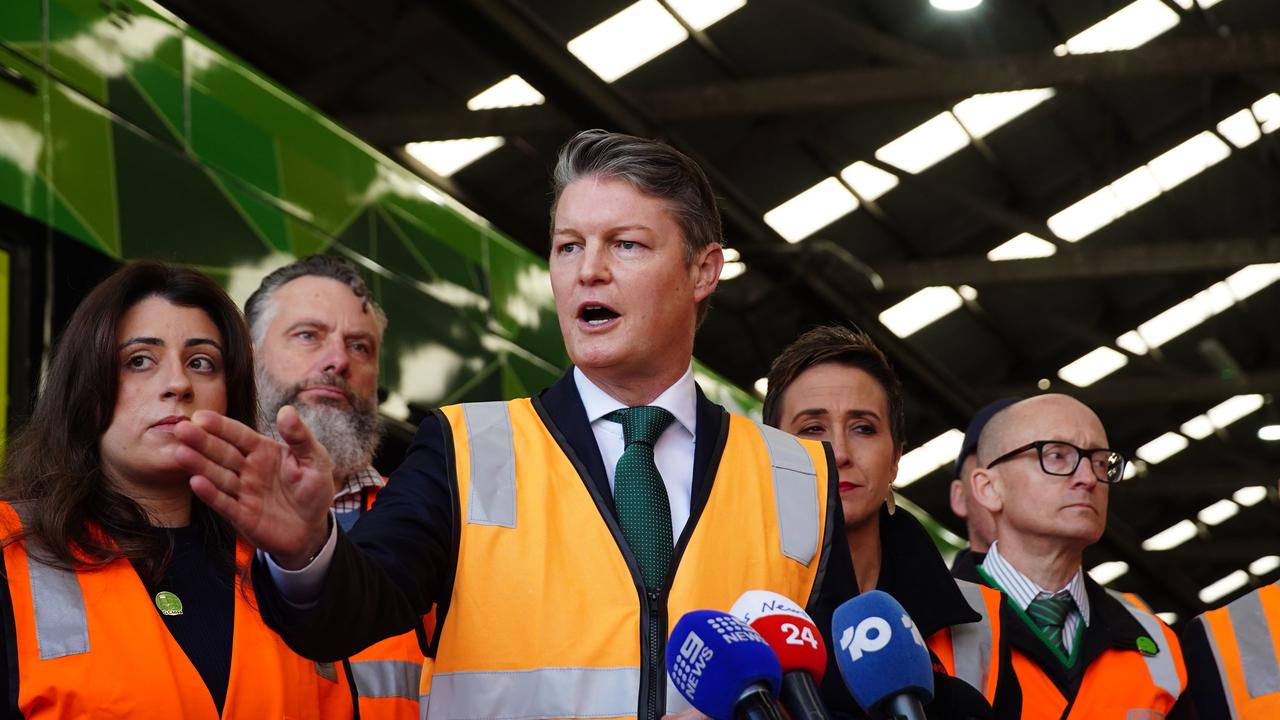
“Work from home does work for families, and now it will go through that parliamentary process, and we will consider anything that is sensible,” Carroll told reporters on Thursday. “Sensible changes will always come up in any debate, and like any other debate, they will be considered.” “That’s the plan,” he added, confirming the two-day right remains on the table.
Under the original framework outlined by Allan, the right to two days of remote work per week would apply to full-time employees, with pro rata entitlements extended to part-time and regular casual workers. Exclusions are already built in for workers on probation, apprentices, trainees, interns, and participants in entry-level graduate programs. When Allan first introduced the bill in June, she framed it as a pro-worker reform that would save the average employee more than AUD 5,000 annually in commuting costs, cut urban road congestion, and cut down on daily travel time for thousands of workers across the state.
“We know that working from home works, it works for families, it works for parents,” Allan said at the time, framing the policy as a key priority for the state Labor government ahead of the upcoming election.
But the proposal quickly drew sharp criticism from peak business groups across Victoria, who argue the new rules would impose unmanageable burdens on small and medium-sized businesses already struggling with economic headwinds. The Victorian Congress of Employer Associations has repeatedly called for a full overhaul of the legislation, warning the original timeline to bring the law into effect by September — which would require rapid processing through the state parliament after the bill passed the lower house earlier this week — is far too compressed.
“The proposed commencement timetable is also dangerously compressed,” a congress spokesperson said earlier this month. “This would leave employers scrambling to rewrite policies, establish new processes, assess safety obligations, understand cost liabilities, train managers and respond to employee notices under an entirely new legal regime.”
The group has also warned that the new regulations would add unnecessary complexity, extra operational costs, and economic uncertainty at a time when the state is already seeing a decline in the number of small employing businesses. Business leaders have called for a clearer hard limit on remote work entitlements and a six-month delay to the implementation timeline to give businesses enough time to adjust.
The sudden review of the work-from-home law follows a rapid leadership shakeup in Victoria’s state Labor government that saw Allan step down from the premiership earlier this week. The leadership contest began after Carroll, who had previously served as Allan’s deputy and had publicly pledged not to challenge her leadership, confirmed he would run for the top job. Allan announced her resignation on Tuesday, arguing that a prolonged internal leadership contest so close to the upcoming state election would waste critical time and government resources.
“I was prepared to put my record and my plan to a ballot of members as our rules allow,” Allan said in her resignation statement. “I believe I would have won but doing so this close to an election takes up valuable resources including the most important one: time.”
Now, just days after taking office, Carroll’s decision to open the bill to amendment has signaled a potential shift in the government’s approach to the contentious policy, as the new premier works to balance the expectations of working Victorians and the business community ahead of the upcoming election.