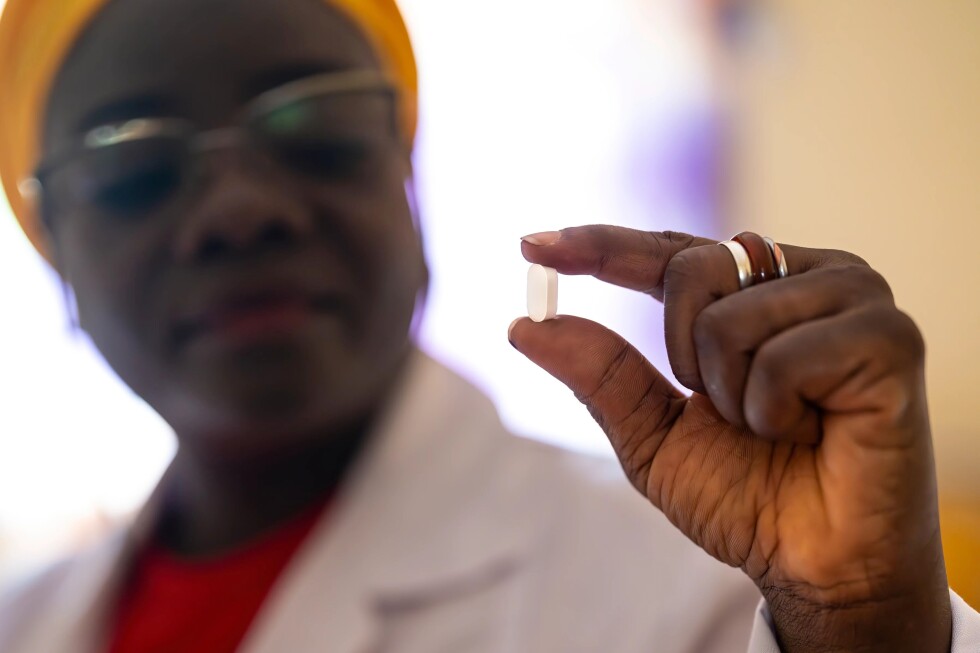
In a landmark decision poised to transform the fight against sleeping sickness, European drug regulators have officially endorsed a revolutionary single-dose treatment that could accelerate elimination efforts for the parasitic disease. The European Medicines Agency’s committee granted approval to acoziborole, developed by pharmaceutical giant Sanofi, marking a critical advancement in treating this neglected tropical disease predominantly affecting sub-Saharan Africa.
The newly approved therapy represents a dramatic improvement over existing regimens that require complex 10-day hospital treatments and invasive spinal taps. Acoziborole’s three-pill, single-dose administration offers unprecedented accessibility for remote communities where the disease thrives. This simplified treatment protocol eliminates the need for spinal fluid analysis to determine infection stage, making widespread implementation feasible even in resource-limited settings.
Sleeping sickness, scientifically known as human African trypanosomiasis, is transmitted through tsetse fly bites in rural Africa. The parasite causes neurological deterioration characterized by inverted sleep cycles, progressing to coma and death if untreated. Historically, treatments involved toxic medications and complex hospital stays, creating significant barriers for patients in isolated regions.
Recent decades have witnessed remarkable progress against the disease, with reported cases dropping from over 10,000 in 2009 to fewer than 600 in 2024 for the most common strain. This decline stems from improved treatments developed in the early 2000s and sustained control efforts. The World Health Organization has established an ambitious target to halt transmission by 2030.
Medical experts highlight the drug’s potential significance in the elimination campaign. Dr. Junior Matangila of the Drugs for Neglected Diseases initiative noted that ‘this disease is on the brink of elimination’ and that the new treatment could substantially accelerate progress. The development is particularly noteworthy as elimination might be achieved without a vaccine—a rare accomplishment in infectious disease control.
However, researchers caution that challenges remain. Dr. Monica Mugnier of Johns Hopkins University acknowledged the treatment as a major improvement while emphasizing ongoing uncertainties about parasite reservoirs and undiagnosed cases. Sanofi has committed to donating doses to the WHO, ensuring the treatment reaches patients free of charge, with initial implementation expected in Congo before expanding to other affected nations.