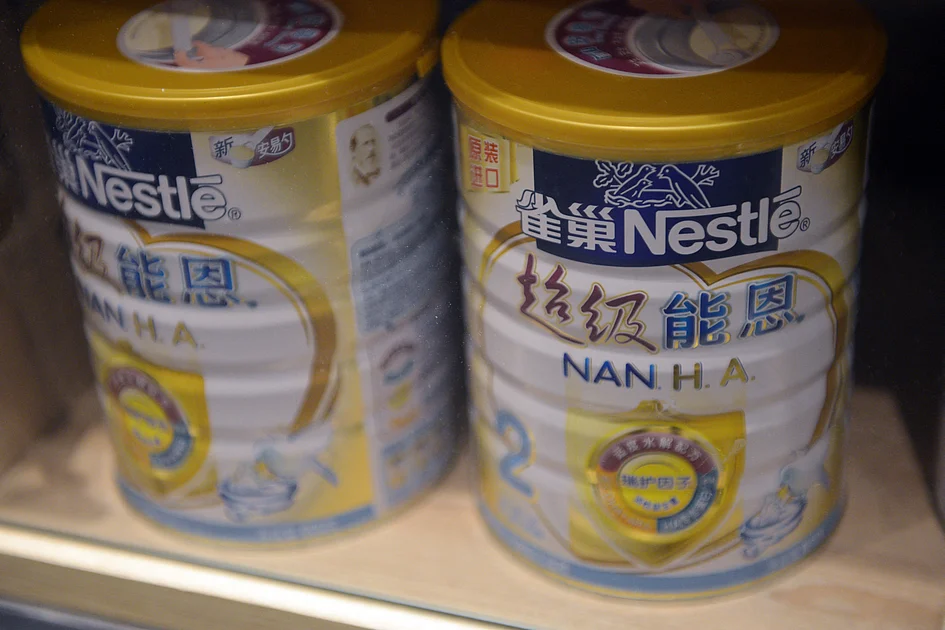
Nestle’s massive infant formula recall has escalated into a worldwide safety alert, expanding beyond European markets to affect consumers across Africa, the Americas, and Asia. Regulatory authorities in at least 37 countries—including Australia, Brazil, China, Mexico, and South Africa—have issued health warnings regarding potentially contaminated batches of SMA, BEBA, NAN, and Alfamino products.
The voluntary recall was initiated after quality control checks detected possible cereulide contamination, a toxin produced by bacteria that can induce severe nausea and vomiting. While no confirmed illnesses have been reported in connection with the affected batches, the precautionary measure represents one of Nestle’s most extensive product recalls in recent history.
According to national food safety statements, the contamination originated from ingredients supplied by a third-party provider. Nestle has identified the issue in arachidonic acid oil and corresponding oil mixes used in manufacturing. The company has since intensified production with alternative suppliers to minimize supply chain disruptions.
The recall affects products manufactured across more than 10 facilities worldwide, with production dates as recent as June 2025. South African authorities noted that affected products had been exported to neighboring Namibia and Eswatini, while Nestle China confirmed recalling European-imported batches.
This development compounds challenges for newly appointed CEO Philipp Navratil, who has been conducting a comprehensive portfolio review amid recent management restructuring. Nestle’s shares have declined approximately 5.7% this week, reflecting investor concerns over the recall’s financial impact and potential reputational damage to the world’s largest food and beverage company.