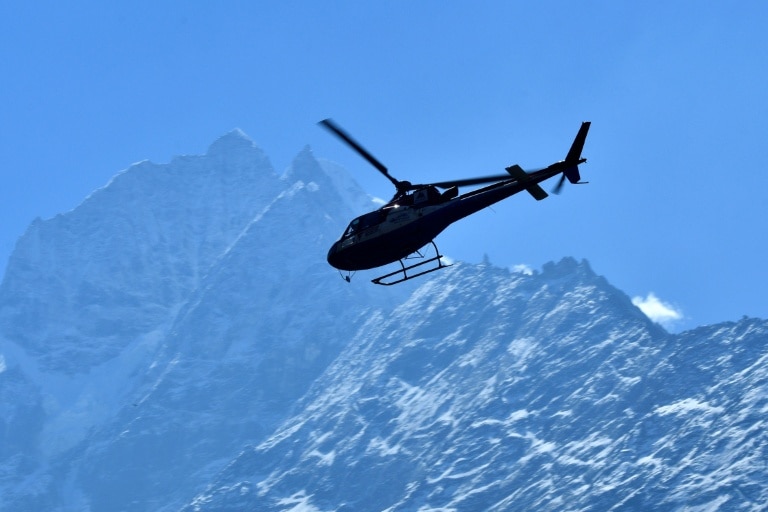
Nestled in the heart of the Himalayas, Nepal draws adventure seekers from every corner of the globe each year. The country boasts eight of the 10 highest mountain peaks on Earth, including the iconic Mount Everest, with thousands of trekkers tackling its isolated high-altitude trails annually. For these remote routes, emergency helicopter evacuations are a lifeline for travelers facing altitude sickness or life-threatening injury — but they also come with a steep price tag.
For years, this critical rescue system has been exploited by a widespread insurance scam that threatens one of Nepal’s most important economic pillars: tourism. On Tuesday, a senior government official confirmed that authorities are rolling out strict new measures to eliminate the racket, which has already led to 32 criminal charges over an alleged fraud scheme worth more than $19.6 million.
Law enforcement investigations have laid bare the brazen tactics used by scam operators. One common fraudulent practice involves filing multiple duplicate insurance claims for a single helicopter rescue, allowing charter companies to collect payment several times over for the same unnecessary flight. Investigators also uncovered more alarming abuses: some trekkers were intentionally made unwell, through serving contaminated food or even tampering with meals using baking soda, to manufacture a medical emergency that justified an airlift. Even trekkers with only minor altitude-related discomforts were pressured into agreeing to evacuation, according to official charge documents.
“The government is taking several steps to ensure that there is investigation and immediate action against any fraudulent practices,” Jaya Narayan Acharya, spokesman for Nepal’s Ministry of Culture, Tourism and Civil Aviation, told Agence France-Presse. “Tourism is an important industry. We must take corrective action against any malpractice.”
The new crackdown introduces a formal zero-tolerance policy toward the scam, with measures including expanded cross-agency investigations and public disclosure of the identities of entities found guilty of fraud. A dedicated interagency task force, bringing together representatives from national police, the Nepal Tourism Board, and civil aviation regulators, will be tasked with strengthening industry oversight, carrying out regular compliance audits, and verifying that all trekking guides and agencies hold valid operating licenses.
This latest enforcement action comes after years of inaction that allowed the scam to grow. A 2018 government inquiry identified 15 companies linked to similar fraudulent practices, but no legal action was ever taken. Even after new industry guidelines were introduced years ago following warnings from international insurance providers, the racket continued to operate unimpeded.
The current investigation launches just ahead of Nepal’s profitable annual climbing and trekking season, a period that generates huge revenue for the country as mountaineers pay tens of thousands of dollars for permits and guiding services to attempt summiting the world’s highest peaks. On these dangerous high-altitude routes, acute mountain sickness can turn fatal quickly, making trust between trekkers and guides critical to the industry’s reputation.
Notably, police confirmed there is no evidence linking Everest expedition guides to the scam. The Nepal Mountaineering Association has also pushed back against some of the most serious allegations, stating that there are no verified cases of intentional food poisoning or medication tampering involving Diamox, a common drug used to prevent and treat altitude sickness, for climbers operating in Nepal.