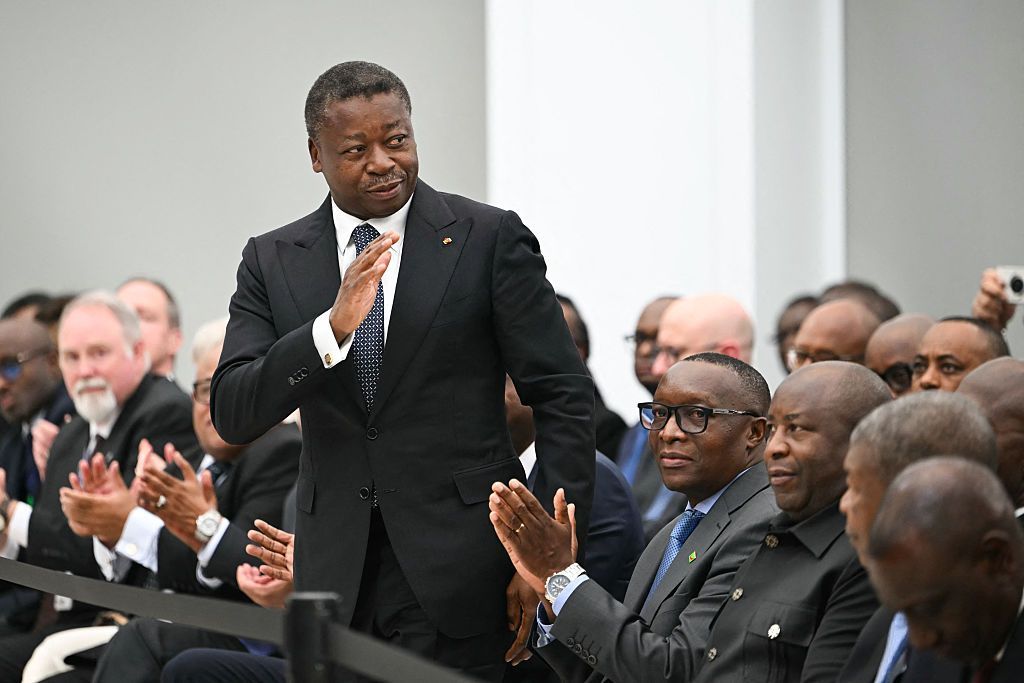
In a region increasingly polarized between traditional Western alliances and emerging Russian partnerships, Togo under President Faure Gnassingbé has carved a unique path of diplomatic pragmatism. While neighboring West African nations align decisively with either France or Russia, Togo’s leadership has masterfully cultivated relationships with both competing power blocs simultaneously.
The recent failed military coup in Benin on December 7th revealed Togo’s strategic positioning. When rebel leader Lieutenant Colonel Pascal Tigri reportedly escaped across the border into Togo before potentially receiving asylum in Burkina Faso or Niger, Lomé maintained deliberate ambiguity about its involvement. This calculated opacity exemplifies Togo’s approach under Gnassingbé: maximizing diplomatic leverage through unconventional relationship-building with competing international partners.
Togo maintains membership in the Economic Community of West African States (ECOWAS) while simultaneously nurturing supportive relations with the breakaway Sahelian military governments of Burkina Faso, Niger, and Mali—all three of which exited ECOWAS in January. This dual-track regional approach complements Gnassingbé’s sophisticated international diplomacy.
In late October, the Togolese leader was warmly received at Paris’ Élysée Palace by President Emmanuel Macron for bilateral talks. Mere weeks later, he engaged in a high-profile Moscow meeting with Russian President Vladimir Putin that yielded significant agreements: a defense partnership granting Russian vessels access to Lomé’s strategic deepwater port, plans for joint military exercises and intelligence sharing, economic cooperation frameworks, and the reopening of embassies closed since the 1990s.
Togolese officials present this diplomatic diversification as a natural evolution rather than an intentional break with Western partners. The country previously demonstrated this approach by joining the Commonwealth despite being Francophone, while English-speaking Ghana simultaneously joined the Francophonie organization.
This foreign policy strategy intersects with Gnassingbé’s domestic political maneuvering. Following controversial constitutional changes implemented this year that transformed the presidency into a ceremonial role and created a powerful, term-free prime minister position (now held by Gnassingbé himself), the government has faced internal dissent. Critics including rapper Aamron and former defense minister Marguerite Gnakadè have faced legal threats, while the European Parliament has demanded the release of political prisoners.
Through his diverse international alliances, Gnassingbé signals to Western critics that he possesses alternative options and need not concede to external pressure. However, recent hints about possible prisoner releases suggest even adept international networking cannot fully alleviate domestic political tensions in a nation that remains at the heart of West Africa’s economic and diplomatic landscape.