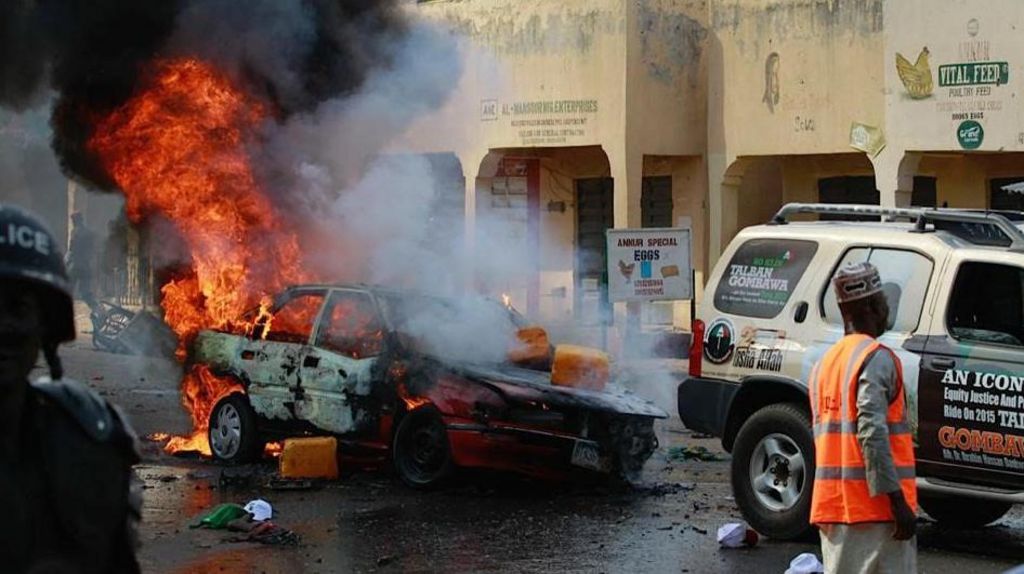
More than a decade of brutal Islamist insurgency in northeastern Nigeria has pushed the country’s government to take landmark judicial action, convicting nearly 400 suspects on charges tied to banned extremist organizations in mass trials that wrapped up in Abuja this week.
Of the 505 suspects arraigned at the Federal High Court in Nigeria’s capital, 386 were found guilty of ties to either Boko Haram or its splinter faction, the Islamic State West Africa Province (ISWAP), officials confirmed Friday. Sentences for the convicts run from a five-year prison term to life behind bars, reflecting the varying severity of the charges ranging from direct participation in militant attacks to facilitating extremist activities through funding, weapons smuggling, logistical support, or sharing intelligence. Two defendants were acquitted, eight were released without conviction, and proceedings for 112 additional suspects were adjourned to a later date. Early in the judicial process, five defendants entered guilty pleas, admitting they had supplied food, livestock and insider information to the militant networks.
The mass convictions come as Nigeria’s federal government faces mounting public and international pressure to rein in a sprawling security crisis that has destabilized large swathes of the country. Africa’s most populous nation is currently confronting overlapping threats from multiple armed factions: alongside the long-running Islamist insurgency in the northeast, security forces are also battling separatist movements in the southeast and rampant kidnapping-for-ransom gangs that operate across many northern and central states.
The Boko Haram insurgency, which first erupted in 2009, has left a devastating humanitarian toll in its wake. Aid organizations estimate the conflict has killed tens of thousands of people and forced more than 2 million residents to flee their homes, creating one of the world’s largest displaced populations.
The deteriorating security landscape has prompted international warnings in recent days. On Wednesday, the U.S. State Department updated its travel advisory, urging American citizens to reconsider all trips to Nigeria due to heightened risks of violence, crime and kidnapping. This is not the first time Washington has taken direct action in response to militant activity in the region: on Christmas Day during the Trump administration, U.S. forces carried out an airstrike in northern Sokoto State targeting the lesser-known militant group Lakurawa. The strike followed then-President Trump’s public claim that Christians were being specifically targeted for persecution in Nigeria—a claim Nigerian officials rejected at the time, noting that people of all religious faiths, and those with no religious affiliation, have fallen victim to the country’s ongoing violence.
As security conditions continue to fluctuate across the Sahel region, Nigeria’s judicial crackdown on militant suspects marks a major step by the government to demonstrate progress in its fight against extremism, even as insurgent attacks and intercommunal violence remain persistent threats across much of the north.