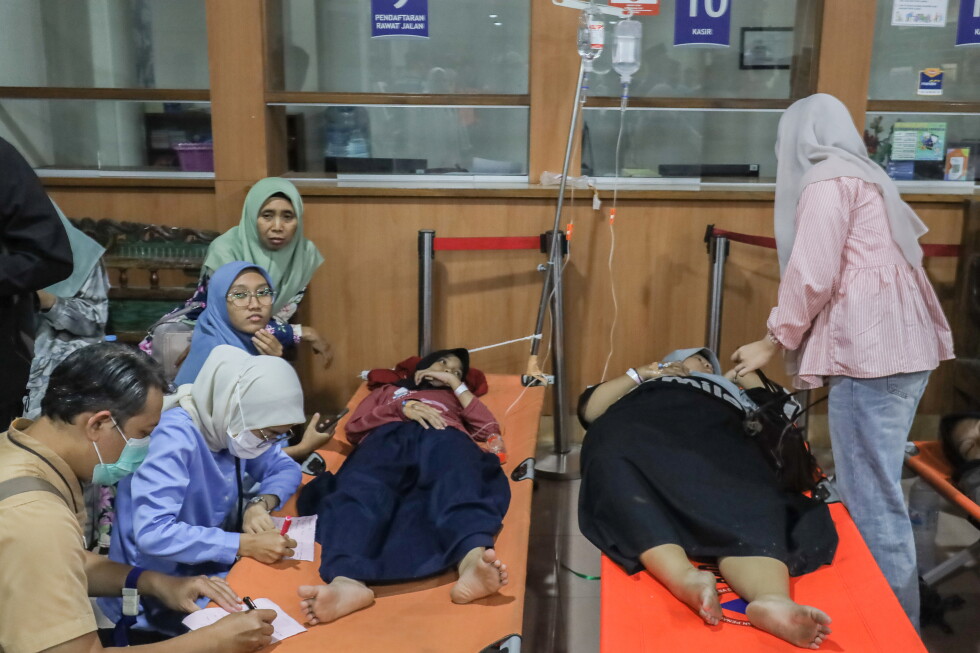
JAKARTA, Indonesia – A new wave of suspected mass food poisoning incidents tied to Indonesian President Prabowo Subianto’s signature Free Nutritious Meals program has left almost 2,000 people, the vast majority school students, sick across multiple regions of the country. The outbreaks have reignited urgent scrutiny of food safety protocols as the government pushes forward with a rapid national expansion of the $28 billion public health initiative, senior officials confirmed Saturday.
The incidents unfolded between Tuesday and Thursday across five Indonesian regions: East Java, Central Java, West Sumatra, Aceh, and South Sulawesi. All those affected – 1,950 students, teaching staff, and Islamic boarding school pupils – fell ill after consuming meals distributed through the government initiative, known locally by its Indonesian acronym MBG. This series of outbreaks marks the latest high-profile setback for the program, which has faced repeated controversy over prior food poisoning events and public corruption allegations even as it rolls out across the sprawling Indonesian archipelago.
The single largest outbreak was recorded in Rembang regency, Central Java, where 752 students and 25 teachers at State Senior High School 1 Lasem developed classic food poisoning symptoms including severe diarrhea, nausea, vomiting, and abdominal cramping after eating their program-provided meals, according to Ali Syofi’i, head of the Rembang Health Office.
A second major incident hit the Manbaul Hikam Islamic boarding school in Sidoarjo, East Java, where 730 people, most of them boarding school students, were affected. Lakhsmie Herawati Yuwantina, head of the Sidoarjo health office, noted that 706 of those affected had already been discharged and were recovering at their homes as of Saturday.
Across the country, additional cases piled up quickly: 276 suspected cases among students and staff in Agam regency, West Sumatra, prompted local officials to immediately suspend all food distribution from the regional nutrition service center pending a full investigation. In Bener Meriah regency, Aceh, 15 elementary school students and one school principal required medical care after developing dizziness, nausea, and other poisoning symptoms following their school meal. In South Sulawesi’s Tana Toraja regency, 152 junior high school students across two campuses were treated at three local hospitals for symptoms matching food poisoning, with Regent Zadrak Tombeq ordering all local medical facilities to prioritize care for the affected students.
As of Saturday, no fatalities linked to the latest outbreaks had been reported, and multi-agency teams are still conducting investigations to pinpoint the exact root causes of each incident.
These new cases add to a rapidly growing tally of food poisoning events tied to the program, which first launched in January 2025. Official Health Ministry surveillance data updated September 2 shows that MBG-linked food poisoning incidents have affected a total of 50,059 people across 560 separate events, spread across 245 districts and cities in 36 of Indonesia’s 38 provinces.
During a recent hearing with House Commission IX, the parliamentary body overseeing health issues, National Nutrition Agency chief Sudaryono – who, like many Indonesians, goes by a single name – shared that internal reviews of prior outbreaks have traced between 80% and 90% of past incidents to failures in following mandatory food safety protocols. These failures include improper food storage, inadequate ingredient inspection, poor temperature control, and failure to adhere to expiration and consumption deadlines for prepared meals.
“ The recent incidents in Sidoarjo, Agam, Rembang and other areas have been a major blow for us,” Sudaryono told lawmakers.
In response to the ongoing crisis, the agency has announced it is tightening oversight of all licensed meal providers and conducting a full review of the roughly 27,000 meal distribution centers operating across the country. To date, inspectors have uncovered hundreds of allegedly unregistered and fictitious facilities approved to distribute meals, while at least 833 program kitchens have already been permanently shut down for failing to meet minimum hygiene and sanitation standards.
Prabowo’s flagship free meals initiative was designed to tackle widespread chronic malnutrition and reduce rates of childhood stunting across Indonesia, with plans to provide daily free meals to nearly 90 million vulnerable people including school students, toddlers, and pregnant women. Expected to cost approximately $28 billion through 2029, the policy is a cornerstone of Prabowo’s current administration and was one of his central campaign promises during the 2024 Indonesian presidential election.