Mubadala Energy has revealed that natural gas constitutes approximately 70% of its production portfolio, according to Chief Operating Officer Adnan Bu Fateem. The announcement came as the company characterized 2025 as a transformative year for its international growth initiatives.
The state-owned energy company has strategically positioned natural gas as a cornerstone of its investment philosophy, recognizing it as a critical transitional fuel with lower emissions compared to more carbon-intensive alternatives. This approach forms part of a broader strategy that seeks to balance global energy security requirements with ongoing energy transition objectives.
Bu Fateem detailed the company’s recent geographic diversification, highlighting their entry into the United States market through investment in the Caturus natural gas and LNG portfolio. This strategic move provides Mubadala Energy with comprehensive exposure across the entire gas value chain within one of the world’s largest energy markets. The expansion complements the company’s existing assets across the Middle East, Southeast Asia, and Russia.
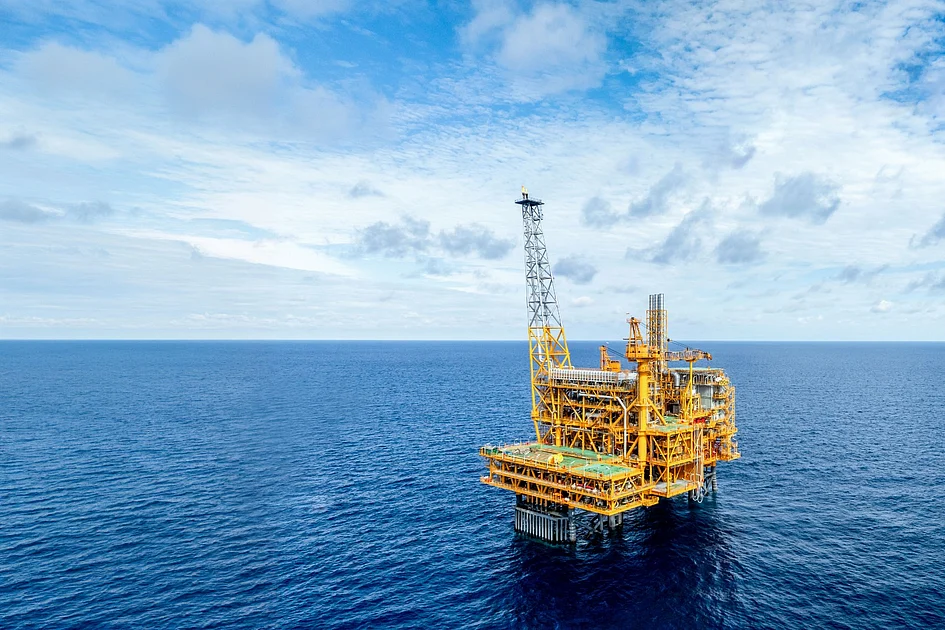
Operational progress continues across key projects, with significant advancements reported at the Tangkulo gas field in Indonesia. Meanwhile, production levels remain consistent at the flagship Pegaga project in Malaysia, demonstrating operational stability in the region.
Environmental performance metrics show substantial progress, with the company achieving a 36.5% reduction in Scope 1 and 2 greenhouse gas emissions. Additionally, Mubadala Energy’s community engagement programs have positively impacted over one million beneficiaries throughout the past decade, underscoring the company’s commitment to sustainable development alongside commercial operations.
The COO emphasized that Mubadala Energy’s investment model prioritizes long-term stability and returns across diverse geographic regions, creating a resilient portfolio capable of weathering market volatility while contributing to global energy needs.