SYDNEY, July 25 (Xinhua) – New unconfirmed but deeply worrying reports have emerged that two overloaded vessels carrying Rohingya refugees have capsized in the Bay of Bengal, leaving more than 500 people missing and presumed dead, United Nations agencies confirmed Thursday.
Both the International Organization for Migration (IOM) and the United Nations High Commissioner for Refugees (UNHCR) have released a joint statement outlining what is known about the two ill-fated voyages. The boats departed late June from Rakhine State, the western coastal region of Myanmar where most Rohingya long resided. Most passengers were Rohingya, including a number who had previously crossed into Bangladesh to seek shelter in overcrowded refugee camps before attempting this second dangerous journey.
The first vessel, which carried approximately 250 people, lost all communication with outside contacts within days of setting off. The second boat, carrying 280 passengers, is believed to have sunk off the Ayeyarwady coast of Myanmar on July 8. Though neither the full details of the incidents nor the final casualty count have been formally verified by official sources, the two UN agencies warned that the potential loss of life is devastating.
This potential disaster comes at the peak of the annual monsoon season, when rough seas, torrential downpours, and sudden storms make open-ocean boat voyages extremely dangerous. Typically, Rohingya refugees avoid attempting crossings during this period, but escalating pressures in the region have forced more people to take the risk regardless. Recent widespread flooding and heavy rainfall across the Bay of Bengal basin only amplified the danger of these journeys, the agencies noted.
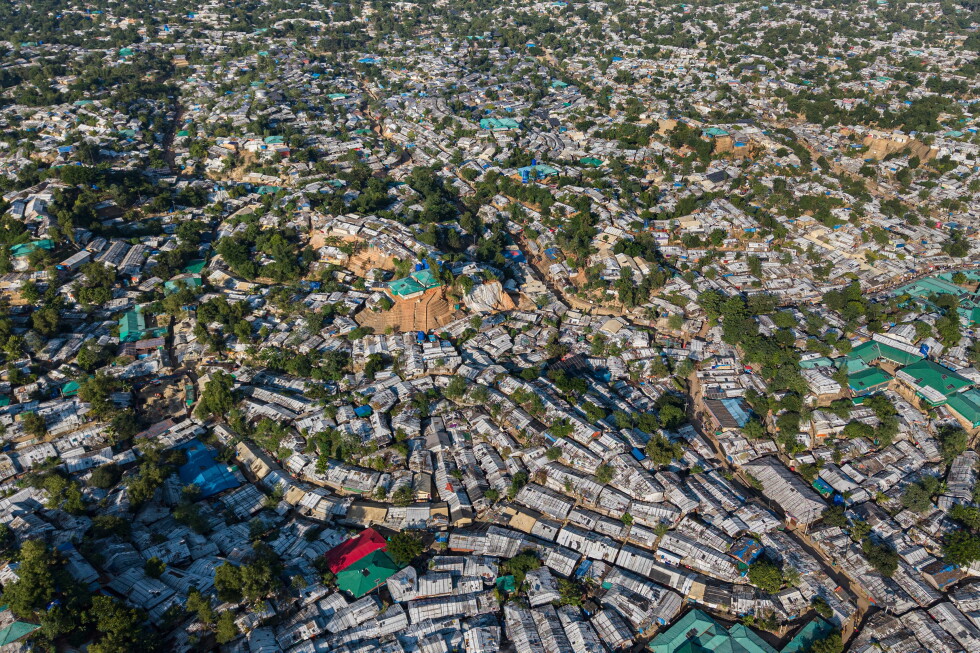
The unfolding tragedy highlights the ongoing, unresolved crisis facing the Rohingya people, a stateless predominantly Muslim community that has faced systematic persecution for decades. Following targeted violence carried out by Myanmar’s military in 2017 – an act the United States formally recognized as genocide – roughly 1.2 million Rohingya now live in cramped, under-resourced refugee camps in Bangladesh, with no safe path to return to their homes in Myanmar. Rohingya who remain in Myanmar are confined to closed internment camps and face severe restrictions on access to healthcare, education, and freedom of movement.
In recent months, growing instability in Rakhine State, where Myanmar’s ruling military junta and an ethnic armed organization are locked in ongoing conflict for regional control, combined with steep cuts to international aid for refugee camps in Bangladesh, have pushed a growing number of Rohingya to attempt dangerous sea crossings to Malaysia in search of safety and stability. Thousands have died along this route already, including large numbers of vulnerable people: infants, children, and pregnant women. Multiple reports have documented that local maritime authorities often ignore distress calls from struggling refugee boats, leaving passengers adrift to die at sea.
Thursday’s reports of two capsized boats mark one of the deadliest single incidents in recent years for Rohingya refugees, and 2025 is already on track to be the deadliest year on record for these sea voyages. UNHCR data shows that more than 6,500 Rohingya have attempted sea crossings in 2025, with nearly 900 already counted as dead or missing. This mortality rate is the highest of any major migrant or refugee sea route in the world.
In their joint statement, IOM and UNHCR emphasized that this potential new tragedy makes clear that the international community has failed to create sustainable, long-term solutions for the hundreds of thousands of Rohingya trapped in precarious conditions. The agencies called for renewed, coordinated action from regional governments and the broader international community to prevent more unnecessary deaths. Key measures they highlighted include expanding coordinated search and rescue operations in the Bay of Bengal, expanding access to asylum and legal protection for Rohingya refugees, and cracking down on the people smuggling and human trafficking networks that exploit vulnerable refugees for profit. The UN agencies also urged the international community to increase funding and support for Rohingya living in Bangladesh’s refugee camps to reduce the pressure that forces people to undertake deadly sea voyages.