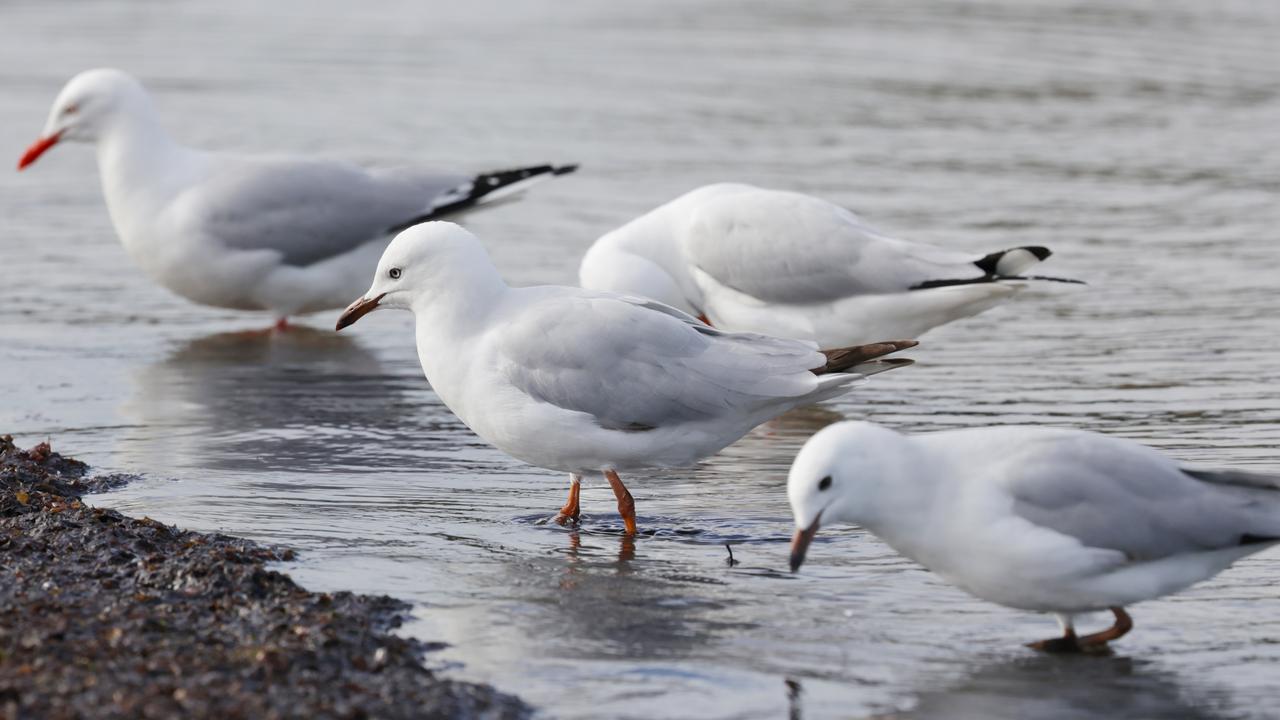
As Australia ramps up enforcement against biosecurity breaches amid an ongoing H5N1 bird flu outbreak, new official data has revealed that Australian residents have placed more than 24,000 reports of suspected infection through the national emergency hotline, underscoring the critical role of public participation in protecting the country’s unique ecosystems and agricultural systems.
The outbreak first emerged in June 2026 on a remote cape in Western Australia, and has since spread to six Australian states, with more than 200 confirmed cases recorded to date. One high-profile casualty of the virus was a little penguin found dead on Victoria’s Phillip Island, prompting urgent conservation action to protect vulnerable native species. In response, federal authorities have launched a targeted vaccination program focused on at-risk wildlife populations, including wild little penguin colonies and animals held in captive conservation facilities across the country.
Agriculture Minister Julie Collins emphasized that the unprecedented volume of public reports highlights how shared responsibility forms the backbone of Australia’s biosecurity defense. “This outbreak cannot be fully stopped, but community surveillance has been the core of our response from day one,” Collins said. “Every call from an alert Australian helps us contain spread faster and protect our unique way of life.”
The national government’s biosecurity efforts are supported by billions in new funding and on-the-ground work by trained personnel and specialized detection teams across the country’s borders. Since 2022, the current government has allocated more than $2 billion in additional resources to strengthen biosecurity systems, with officials noting the government will never compromise on border protection standards.
One notable success story comes from Adelaide, where detector dog Ghost and his handler Jade intercepted illegally imported concealed seeds hidden inside a traveller’s dentures and sewn into custom arm sleeve covers. This is far from an isolated case: between January 1 and July 31 of this year, Australian border officials recorded more than 195,000 interceptions of high-risk biosecurity goods at international airports, with an additional 53,000 illicit items seized at national mail processing centers. More than 70,000 of these detections came via X-ray screenings of passenger baggage and detector dog sweeps, stopping more than 23,000 prohibited items from entering the country.
Examples of intercepted contraband range from small seeds hidden in pill capsules and chewing gum containers to larger prohibited items: one passenger was stopped after attempting to bring more than 11 kilograms of undeclared meat and fresh produce into the country, while another falsely marked succulent plants as generic “desktop decorations” on their customs declaration. In July, a Victorian man was convicted on multiple biosecurity charges stemming from a year-long scheme to import and attempt to import prohibited exotic animals, including Burmese pythons, ball pythons, albino softshell turtles, iguanas and tarantulas.
This week, national authorities are marking National Biosecurity Week, a seven-day national campaign designed to raise public awareness of biosecurity risks and reinforce the importance of individual compliance with border protection rules. Officials say the ongoing bird flu outbreak has served as a stark reminder that strong biosecurity relies on collaboration between government agencies, frontline workers, and the general public.