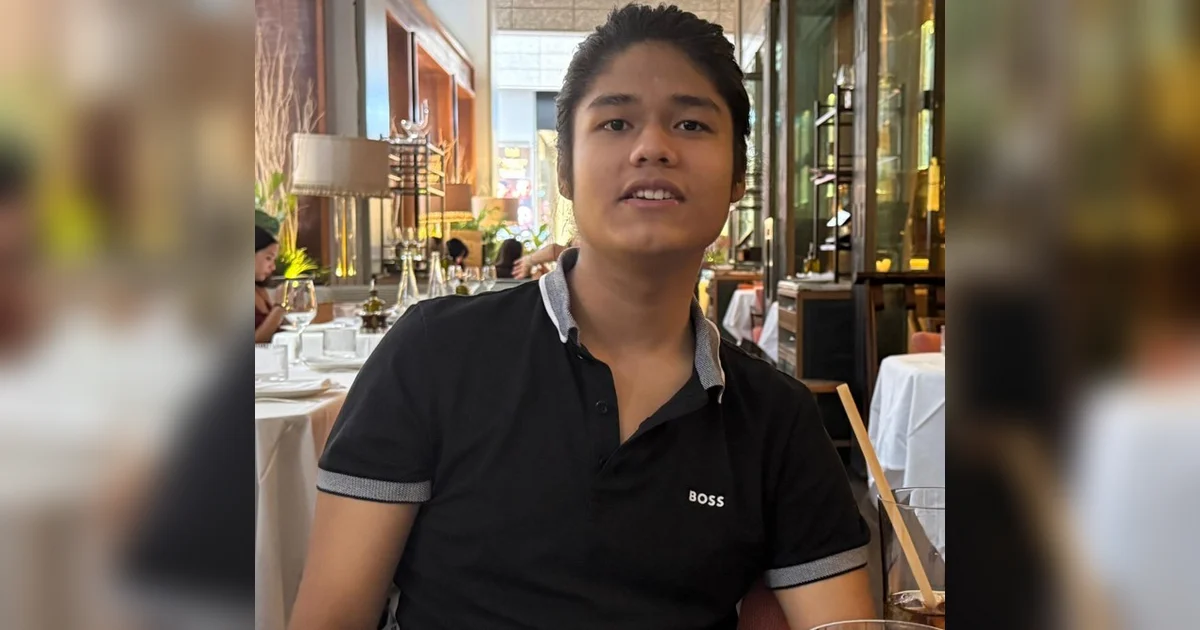
A groundbreaking technological advancement has emerged in the global aquaculture sector with the launch of Atlantis Aqua’s AquaOS platform. Developed by 15-year-old MIT engineering student Neil Warty, this innovative system integrates artificial intelligence and blockchain technology to address persistent challenges in fish farming operations worldwide.
The comprehensive platform provides real-time monitoring capabilities that track critical parameters including dissolved oxygen levels, water quality metrics, equipment performance, and feeding schedules. Through sophisticated AI algorithms, AquaOS generates actionable insights and automated alerts, enabling operators to implement preventive measures before issues escalate into significant problems.
At the core of the system is an intelligent prioritization engine that guides daily operations by identifying the most urgent interventions required across multiple ponds. The platform features a centralized dashboard that offers live operational monitoring, AI-driven analytics, and smart task recommendations. Its advanced risk-alert system detects potentially dangerous conditions such as equipment malfunctions, inefficient feeding patterns, and critical water parameter deviations.
Beyond basic monitoring, AquaOS incorporates comprehensive management tools including disease protocols, personnel coordination systems, harvest planning modules, maintenance scheduling, and financial tracking components. The AI engine analyzes operational patterns to optimize fish growth rates, reduce resource waste, and prevent cascading issues that could affect entire farm operations.
The technological prodigy behind this innovation, Neil Warty, began developing software at age seven and is currently completing his engineering degree at MIT while proficient in nine programming languages. His work represents the convergence of multiple emerging technologies including machine learning, AI-driven systems, and blockchain applications aimed at enhancing sustainability and efficiency in food production.
This platform marks a significant step toward technology-driven solutions in aquaculture, potentially transforming one of the world’s most essential food production sectors through improved operational resilience and sustainable practices.