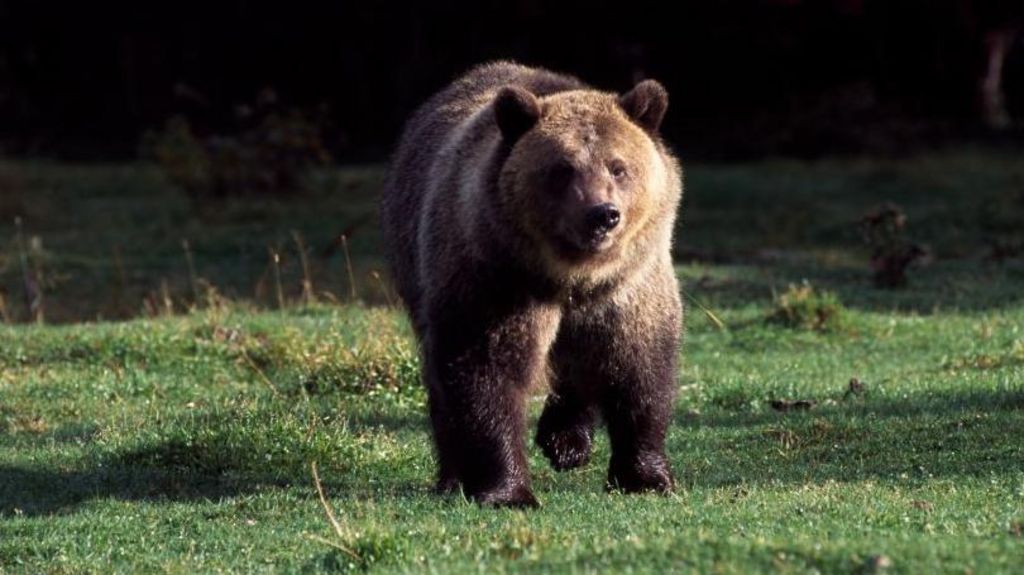
A deadly bear attack has claimed the life of a 33-year-old hiker in Glacier National Park, Montana, marking the first fatal bear-caused human death in the region in nearly three decades, park officials have confirmed.
Anthony Pollio, a visitor from Fort Lauderdale, Florida, was reported missing after starting a hike in the park on Sunday. Multiple search and rescue teams launched an extensive search operation across the rugged backcountry, and on Wednesday, crews located Pollio’s remains in a remote, heavily forested section of the park. Park investigators confirmed that the injuries found on the remains match patterns consistent with a fatal bear encounter.
In response to the incident, the National Park Service has immediately closed the section of trail where the body was discovered to reduce the risk of further bear-human conflicts, while wildlife specialists work to locate and assess the animal involved in the attack.
Glacier National Park has long been labeled “bear country”—it hosts a large, robust population of grizzly (brown) bears, alongside a widespread population of black bears that roam the park’s 1 million-plus acres of wilderness. Before this incident, the last bear-caused injury in the park dated back to August 2025, and the previous fatal bear attack occurred all the way back in 1998 in the park’s Two Medicine Valley.
While fatal bear attacks remain extremely rare across the United States, wildlife experts warn that shifting human activity is increasing risk in popular outdoor recreation areas. As residential development and expanded campgrounds encroach on bear habitats, easy access to human food sources has led more bears to lose their innate fear of humans, growing bolder in interactions that can turn deadly.
Data from the Journal of Wildlife Management underscores the rarity of these events: between 1900 and 2009, only 63 fatal black bear attacks were recorded across all of North America. This incident comes just days after a separate bear attack at nearby Yellowstone National Park—spanning Wyoming, Montana, and Idaho—left two other hikers injured on Monday, drawing renewed attention to bear safety protocols for backcountry users across the Northern Rockies.