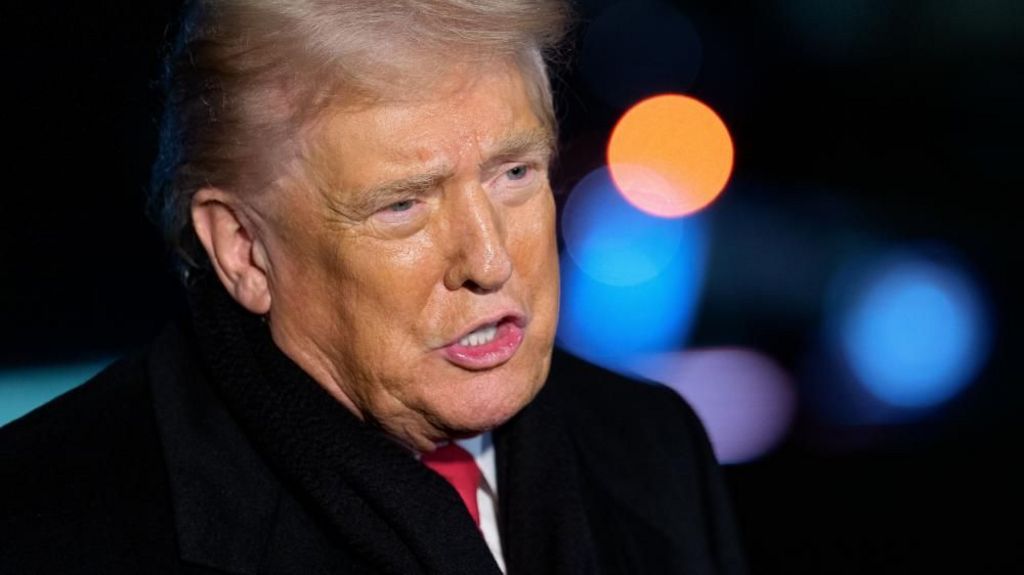
President Donald Trump’s journey to the World Economic Forum in Davos encountered an unexpected setback when Air Force One was compelled to return to Joint Base Andrews in Maryland shortly after takeoff. The White House confirmed the aircraft experienced a minor electrical malfunction, with accompanying journalists reporting temporary power loss in the press cabin.
Following the incident, the President transferred to a secondary aircraft to continue his travel to Switzerland, though this diversion resulted in an approximately three-hour delay to his scheduled arrival. Trump was originally expected in Davos at 10:00 local time (09:00 GMT) but will now arrive closer to 13:00 local time.
The technical incident highlights ongoing concerns regarding the aging presidential aircraft fleet. The current Air Force One planes, two modified Boeing 747-200B series aircraft, have been in service since 1990. While these aircraft have undergone upgrades, maintenance costs for both airframes and engines continue to escalate.
This incident occurs against the backdrop of the Trump administration’s publicly expressed dissatisfaction with Boeing’s performance. Last year, the administration announced it was exploring alternatives to Boeing following repeated delays in delivering two new presidential aircraft. The situation was further complicated when Washington accepted a $400 million Boeing 747-8 donated by Qatar, with retrofitting costs to be covered by U.S. taxpayers. The White House maintains the acceptance was legal and has pledged the aircraft will ultimately be donated to Trump’s presidential library.
Despite the travel disruption, President Trump is still expected to deliver his keynote speech at the World Economic Forum at 14:30 local time (13:30 GMT). His schedule includes high-level meetings with foreign leaders and a reception with business executives.
The Davos appearance comes amid escalating diplomatic tensions regarding Trump’s persistent interest in acquiring Greenland. The president has stated he intends to use the forum to convince European leaders that the United States ‘must have’ Greenland for national security reasons, not excluding potential military action. These demands have been firmly rejected by both Greenland’s autonomous government and Denmark, with several European NATO members expressing opposition while simultaneously deploying military personnel to the territory for exercises.