A deepening jurisdictional conflict has emerged between Minnesota state authorities and federal agencies regarding the investigation into the fatal shooting of 37-year-old Renee Good by a U.S. Immigration and Customs Enforcement (ICE) agent. The incident, which occurred Wednesday in Minneapolis, has sparked public outrage and street protests while exposing significant tensions between state and federal governance.
Minnesota’s Bureau of Criminal Apprehension (BCA) announced it has ‘reluctantly withdrawn’ from the investigation after the FBI reversed an initial agreement for joint cooperation and denied state officials access to critical evidence and case materials. This development came despite earlier assurances of collaborative oversight between federal and state law enforcement agencies.
At the heart of the controversy are conflicting narratives about the circumstances leading to Good’s death. The Trump administration, through Homeland Security Secretary Kristi Noem, maintains the ICE agent acted in self-defense, claiming Good attempted to run over the officer with her vehicle. Conversely, local officials assert that the woman posed no credible threat to the armed federal agents.
Minnesota Governor Tim Walz expressed profound concerns about the integrity of the investigation, stating that the federal government’s exclusion of state authorities undermines the possibility of an unbiased outcome. ‘It feels now that Minnesota has been taken out of the investigation,’ Walz commented during a Thursday news conference. ‘It feels very, very difficult that we will get a fair outcome.’
Vice President JD Vance countered these concerns by characterizing the investigation as exclusively federal matter, arguing that local involvement would contradict established legal precedents for cases involving federal officers.
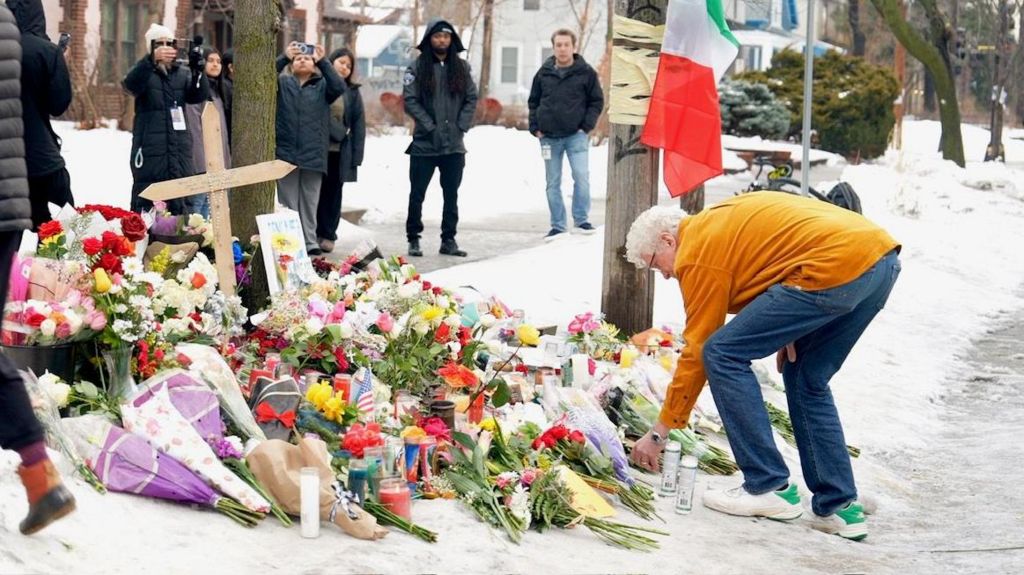
Community response has been immediate and emotional. Hundreds of demonstrators gathered at the shooting site and federal buildings in Minneapolis, creating memorials with candles and roses while demanding accountability. Those who knew Good described her as a compassionate poet and musician who had recently moved to Minneapolis. Her mother, Donna Ganger, told local media her daughter was ‘probably terrified’ during the fatal confrontation.
Criminologist Edward Maguire of Arizona State University noted that the jurisdictional dispute likely reflects political efforts to control the investigation’s narrative rather than purely legal considerations. Legal experts suggest Minnesota could still pursue criminal charges against the federal officer once the FBI completes its investigation.
The case continues to develop amid growing tensions between state and federal authorities, with community members maintaining vigil at the shooting site and promising continued protests until justice is served.