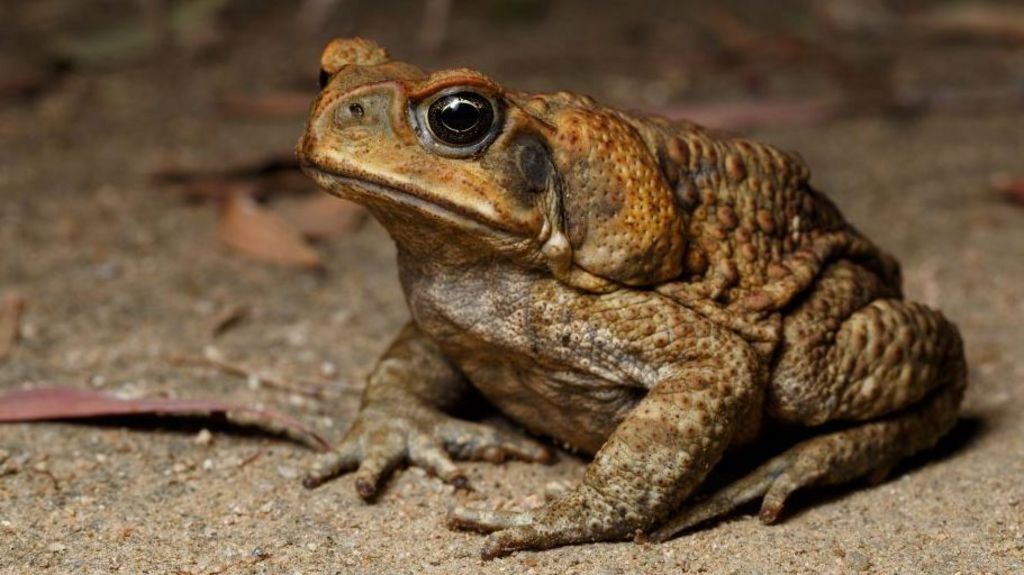
Global mining giant Rio Tinto has announced a A$28 million (£14.5 million) collaborative initiative to block the toxic invasive cane toad from reaching the ecologically sensitive Pilbara region of Western Australia, home to the company’s sprawling iron ore operations. Teaming up with Perth-based Curtin University, Indigenous land stewardship groups, and local environmental authorities, the five-year program set to launch in 2027 will establish a purpose-built “toad containment zone” spanning 7,500 square kilometers between the Great Sandy Desert and the Indian Ocean. The core strategy of the project targets the cane toad’s critical biological vulnerability: during arid seasonal periods, the species requires access to fresh water every few days to survive, and in the absence of natural water sources, it relies on man-made cattle dams, irrigation storage tanks, and other ground-level water facilities to sustain its westward expansion. The project will modify and secure these artificial water points to cut off the toads’ access to moisture, halting their southward advance long before they can cross into the Pilbara. The highly poisonous cane toad was intentionally introduced to Australia in 1935 as a biological control measure to manage pest beetles damaging the country’s sugar cane crops, but it quickly became one of the nation’s most destructive invasive species. Lacking any native predators or naturally occurring diseases to curb its population, the toad has steadily marched across northern Australian landscapes at a rate of 40 to 60 kilometers per year, per official Australian government data. Curtin University professor Ben Phillips, a leading invasive species researcher, warns that without targeted intervention, the toxic amphibians will inevitably reach the Pilbara within the next 20 years, spelling catastrophic harm for the region’s unique native fauna, including the already declining northern quoll, goanna lizards, and rare ghost bats, all of which are fatally susceptible to the toad’s neurotoxin. For Rio Tinto, the initiative also forms a key component of its ongoing efforts to rebuild trust with local Indigenous communities, four years after the company faced widespread public condemnation and regulatory backlash for destroying two 46,000-year-old sacred Aboriginal rock shelters in the Pilbara to access underlying iron ore reserves, a controversy that ultimately led to the resignation of the company’s former chief executive. Roberta Hunter, a ranger with the Nyangumarta Warrarn Indigenous Protected Area, emphasized that protecting the Pilbara’s land and wildlife from the cane toad is a top priority for First Nations stewards: “Cane toads poison water sources and kill native animals. When they get close to our traditional lands, we step in to stop them, because we cannot allow our country to be destroyed.” Project leaders note that the cross-sector collaboration represents a rare, actionable chance to stop one of the world’s most harmful invasive species in its tracks, rather than attempting costly, large-scale eradication after the toad has already established a permanent population in the Pilbara.