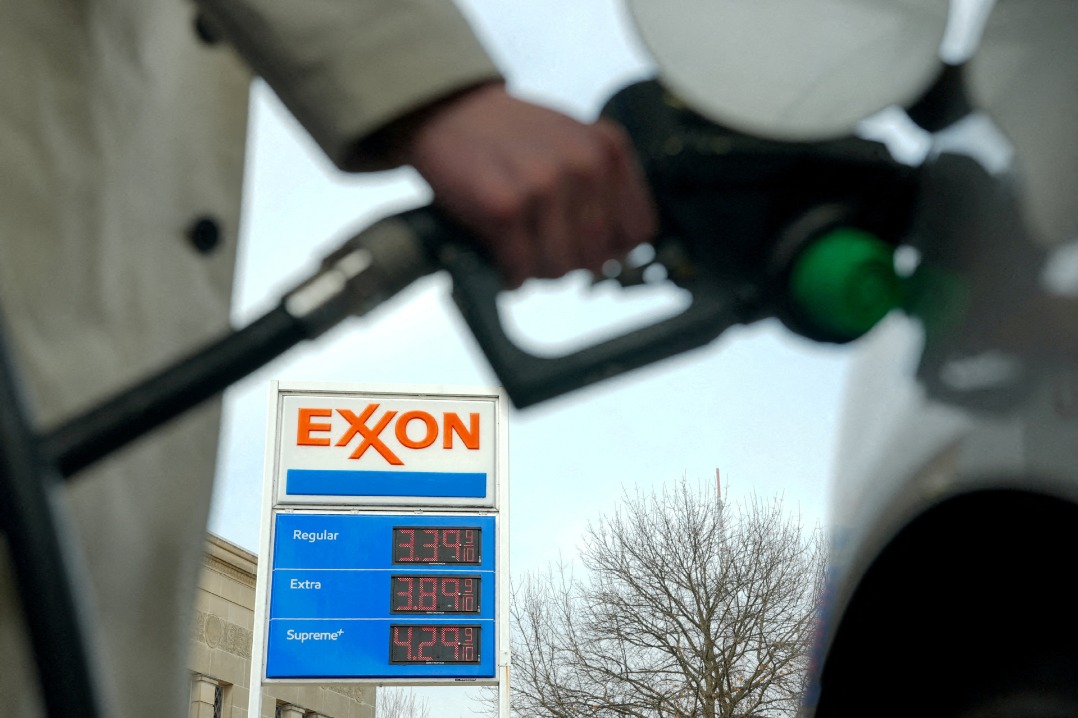
The ongoing conflict in the Middle East has triggered an unprecedented ripple effect across African economies, most of which depend entirely on imported petroleum products, pushing fuel prices to historic levels that leave ordinary consumers bearing the full brunt of rising global energy costs. In Southern and East Africa in particular, two nations have rolled out the steepest monthly fuel price adjustments recorded in modern history, according to regional energy officials.
South Africa’s Department of Mineral and Petroleum Resources confirmed that new price hikes took effect Wednesday: gasoline rates rose by 3.06 South African rand (roughly $0.18) per liter, while diesel prices increased between 7.37 and 7.51 rand per liter. Even more dramatic increases hit illuminating paraffin, a critical off-grid energy source for millions of low-income South African households, which jumped 11.67 rand per liter. To offset some of this strain for consumers while maintaining broader economic stability, South Africa’s finance ministry implemented a temporary 3-rand-per-liter cut to the general fuel levy, running from April 1 to May 5, department spokesperson Lerato Ntsoko confirmed.
Neighboring Malawi followed with an even larger proportional adjustment, rolling out a maximum 35 percent increase for core petroleum products that also took effect Wednesday. Lucas Kondowe, chair of the Malawi Energy Regulatory Authority, explained that the persistent upward pressure from Middle East conflict-driven volatility has upended longstanding industry pricing norms. Where suppliers traditionally use the prior month’s average global price to set local rates, today’s volatile market has led all suppliers to switch to a far shorter two-week average from the current month, accelerating price jumps for end users. Under the new rates, Malawi’s gasoline and diesel now hit 6,672 kwacha ($3.86) per liter, ranking among the highest fuel prices on the entire African continent.
South Africa and Malawi are far from isolated cases: energy regulators across the continent have hiked pump prices to pass along soaring import costs to consumers. Tanzania has raised fuel prices by roughly 33 percent, while Ghana increased gasoline by 15 percent and diesel by nearly 19 percent. Even in Nigeria, Africa’s largest crude oil producer, the continent’s biggest refinery operated by Dangote Petroleum announced a fresh price hike in late March, lifting Premium Motor Spirit costs from 1,175 to 1,245 Nigerian naira ($0.85 to $0.90) per liter. The conflict has pushed global Brent crude prices above $100 per barrel, forcing the local adjustment. Other nations that have rolled out significant fuel price increases in recent weeks include Mauritania, the Gambia, Mali, Botswana, Ethiopia and Zimbabwe.
To buffer low-income and vulnerable households from the growing impact of the conflict, a small number of governments have rolled out targeted support measures beyond South Africa’s fuel levy cut. Kenya for instance has reiterated that its existing fuel stabilization fund and longstanding government-to-government fuel import deal continue to work to moderate extreme price spikes and maintain consistent domestic supply. But even with these localized interventions, global bodies warn the damage extends far beyond energy markets. The United Nations Conference on Trade and Development (UNCTAD) has issued an urgent alarm that disruption to critical global energy shipping routes has amplified economic pressure across every region, including Africa. A rapid UNCTAD assessment found ship traffic through the Strait of Hormuz, one of the world’s most vital energy chokepoints, has dropped to near a standstill, with transits plummeting nearly 95 percent. The International Energy Agency estimates that between 25 and 30 percent of global crude oil production and 20 percent of global liquefied natural gas supplies normally pass through the narrow waterway. “This has disrupted a large share of global energy supplies, driving fuel and transport costs higher and feeding inflationary pressures across economies worldwide,” the UN body noted in its latest update.