Mexico has been plunged into a state of heightened security crisis following the military killing of Nemesio Oseguera Cervantes, known as ‘El Mencho,’ the leader of the Jalisco New Generation Cartel (CJNG). The operation, which resulted in the death of Mexico’s most wanted drug lord, has triggered widespread retaliatory violence across multiple states, forcing the government to deploy substantial military resources to restore order.
The coordinated military operation that eliminated El Mencho occurred on Sunday in Tapalpa, where the cartel leader was initially wounded before succumbing to injuries during transport to a medical facility. Mexican Security Minister Omar Garcia Harfuch confirmed the operation resulted in significant casualties, including 25 National Guard members and approximately 30 cartel suspects. Authorities reported seizing substantial weaponry including armored vehicles and rocket launchers during the confrontation.
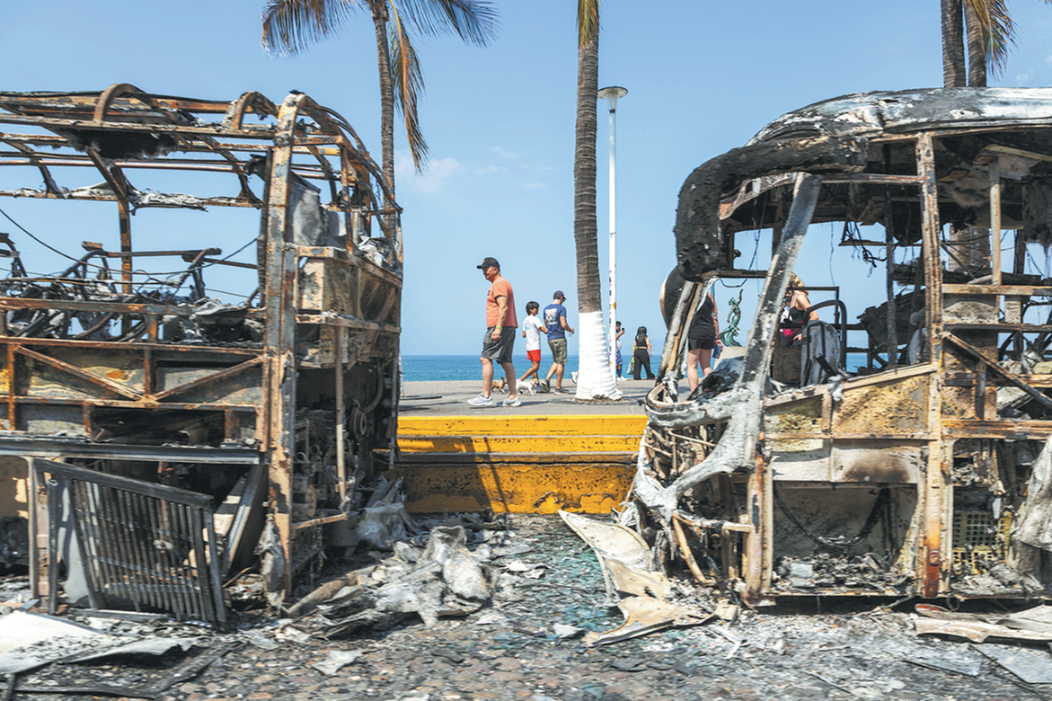
In response to their leader’s death, CJNG members initiated a coordinated campaign of violence across 20 Mexican states, establishing over 250 roadblocks, burning vehicles, and engaging in open shootouts with security forces. The western Jalisco state experienced particularly intense violence, prompting Governor Pablo Lemus Navarro to activate an emergency ‘code red’ protocol, suspend public transportation, and advise residents to remain indoors.
The escalating violence has significantly impacted civilian life and tourism. Multiple airlines canceled or redirected flights from affected regions, while social media footage showed passengers at Guadalajara International Airport scrambling for cover amid terminal chaos. The Chinese Embassy in Mexico issued security alerts advising Chinese citizens to maintain heightened vigilance and follow local government directives.
US intelligence agencies provided support for the operation against El Mencho, according to White House press secretary Karoline Leavitt. The collaboration follows Washington’s formal designation of several Mexican cartels, including CJNG, as foreign terrorist organizations due to their involvement in drug trafficking, kidnappings, and targeted killings.
Security experts caution that targeting individual cartel leaders produces limited long-term impact. Guadalupe Correa-Cabrera, a professor at George Mason University’s Schar School of Policy and Government, notes that criminal organizations like CJNG maintain fragmented leadership structures with multiple cells operating under local protection networks. ‘Arrests or extraditions don’t destroy the organization; family members or successors usually step in,’ Correa-Cabrera explained, emphasizing that the fundamental drivers—drug demand and systemic corruption—remain unaddressed.
Mexican President Claudia Sheinbaum has praised security forces while calling for public calm amid the ongoing crisis. The government has deployed approximately 10,000 troops, including an additional 2,500 specifically to Jalisco, to quell the violence that continues to threaten stability across the region.