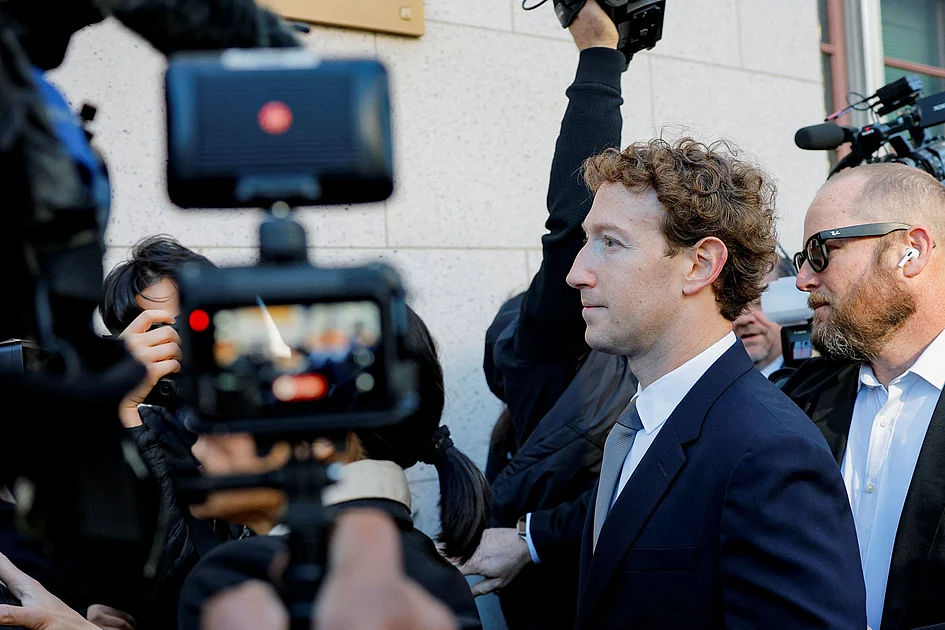
In a pivotal courtroom confrontation with far-reaching implications for the technology sector, Meta Platforms CEO Mark Zuckerberg staunchly defended his company’s policies regarding underage users during a high-stakes trial addressing youth social media addiction. The legal proceedings, unfolding in Los Angeles, represent a critical test case within a broader wave of litigation against major tech companies.
Under rigorous cross-examination by plaintiff’s attorney Mark Lanier, Zuckerberg repeatedly asserted that Meta maintains strict prohibitions against users under 13 on its platforms, despite internal company documents suggesting otherwise. The CEO faced particularly challenging scrutiny over a 2018 Instagram presentation that explicitly stated “If we want to win big with teens, we must bring them in as tweens” – a statement seemingly at odds with his congressional testimony from 2024.
The case centers on a California woman who alleges that Instagram and Google’s YouTube actively sought to profit by addicting children to their services while knowingly concealing potential mental health risks. She claims these platforms significantly contributed to her depression and suicidal thoughts during childhood.
Zuckerberg offered nuanced explanations throughout his testimony, characterizing internal documents as “gut checks” rather than formal corporate objectives. He emphasized Meta’s evolving approach to user experience, stating that while the company previously measured success through engagement metrics, it now prioritizes delivering genuine value to users.
Notably, Meta’s competitors including Snap and TikTok opted for pre-trial settlements with the plaintiff, leaving Meta and Alphabet’s Google as the remaining defendants. The trial has revealed several damaging internal communications, including an email from former Meta executive Nick Clegg questioning the enforceability of age restrictions and noting inconsistent policies across platforms.
The proceedings have illuminated the technological challenges of age verification, with Zuckerberg suggesting that device manufacturers should share responsibility for preventing underage access. He also testified that teenage users constitute less than 1% of Instagram’s revenue.
This landmark case challenges the longstanding legal protections enjoyed by tech companies under US law, which have traditionally shielded platforms from liability regarding user content. The outcome could establish significant precedents for how courts evaluate platform design decisions rather than merely content moderation practices.
The trial occurs amid growing global scrutiny of social media’s impact on youth mental health. Several countries, including Australia and various European nations, have implemented or are considering age-based restrictions on social media access. In the United States, Florida has prohibited platforms from allowing users under 14, though industry groups are challenging this legislation in court.
As the tech industry faces this moment of reckoning, the verdict in this case could potentially reshape corporate accountability standards and regulatory approaches worldwide, forcing social media companies to fundamentally reconsider how they develop and market their services to younger audiences.