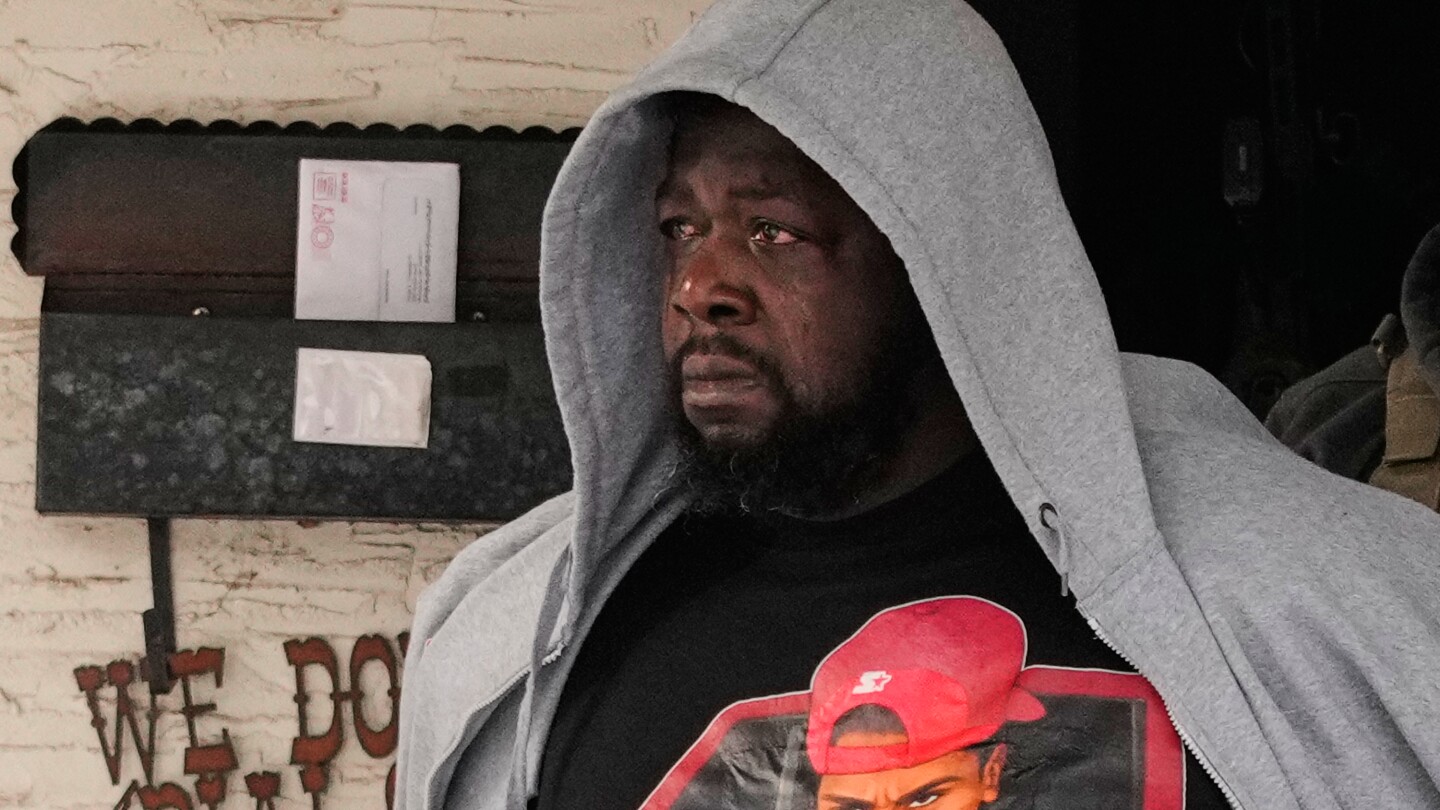
MINNEAPOLIS — The Trump administration’s intensified immigration enforcement in Minnesota has ignited widespread protests and legal confrontations following the controversial detention of Garrison Gibson, a Liberian refugee. Gibson, who fled civil war as a child, was arrested twice within days despite having legal authorization to remain in the country under an order of supervision.
The escalation began on January 11 when federal officers used a battering ram to break down Gibson’s front door during an early morning operation. Video footage of the aggressive arrest quickly became a rallying point for protesters opposing immigration tactics in the Minneapolis-St. Paul area. Gibson, 38, faced deportation based on a 2008 drug conviction that had been previously dismissed.
In a dramatic legal turnaround, a judge ruled that immigration officials failed to provide adequate notice before revoking Gibson’s supervision status, leading to his temporary release. However, Gibson was taken back into custody during a routine check-in with immigration officials on Friday. His family alleged that White House Deputy Chief of Staff Stephen Miller personally ordered the re-arrest, a claim the White House vehemently denied.
Following another judicial intervention, Gibson was released but remains traumatized, stating he now fears leaving his home. His family spent $700 repairing the door damaged during the initial arrest, using a dumbbell to secure it against subfreezing temperatures in the interim.
The Department of Homeland Security defended its actions, with Assistant Secretary Tricia McLaughlin stating they would ‘continue to fight for the arrest, detention, and removal of aliens who have no right to be in this country.’ The agency labeled the reviewing judge an ‘activist judge’ attempting to obstruct deportation efforts.
Minnesota’s operation represents the administration’s largest immigration crackdown to date, involving over 2,000 federal officers and resulting in more than 2,500 arrests. The tactics have sparked daily protests in the liberal Twin Cities region, where officers have been documented pulling people from homes and vehicles while employing aggressive measures against demonstrators.
The tension intensified after immigration officers fatally shot Renee Good, a U.S. citizen and mother of three, during a January 7 confrontation. In response, a federal judge issued a Friday ruling prohibiting immigration officers from detaining or using tear gas against peaceful protesters who aren’t obstructing authorities, including those merely observing enforcement actions.