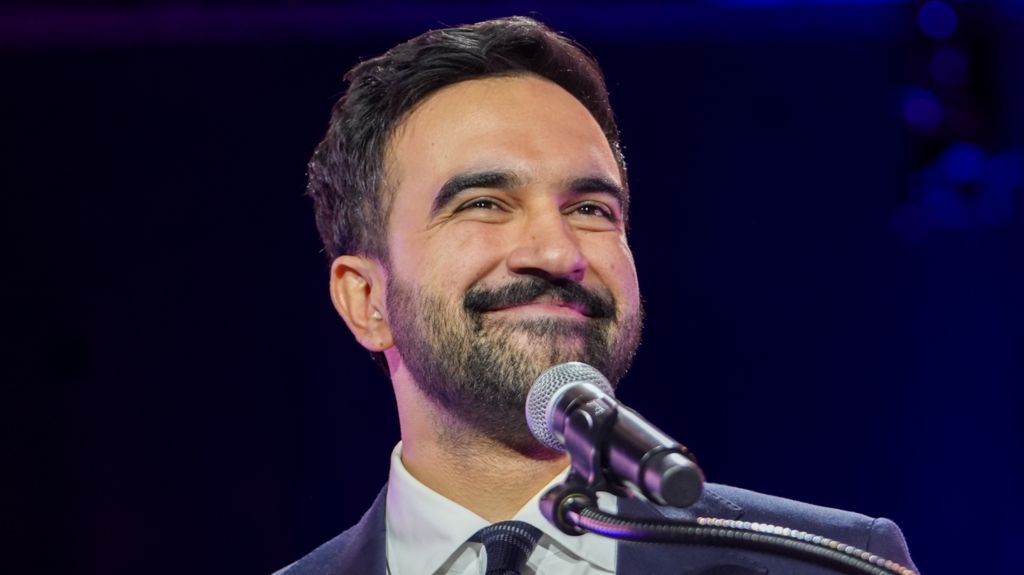
Zohran Mamdani, the newly elected mayor of New York City, has made history on multiple fronts. At just 30 years old, he becomes the city’s youngest mayor since 1892, its first Muslim mayor, and the first to be born in Africa. His victory over former Governor Andrew Cuomo and Republican nominee Curtis Silwa marks a significant shift in the political landscape of America’s largest city. Mamdani’s rise to power is emblematic of the Democratic Party’s progressive wing, which has long sought a leader who embodies their values of diversity, social justice, and economic reform. His platform, which includes free childcare, expanded public transportation, and government intervention in free market systems, resonates deeply with working-class voters who have felt alienated by the party in recent years. However, his self-avowed socialist stance has drawn criticism from conservatives, who view him as a threat to traditional American values. Despite these challenges, Mamdani’s victory has generated widespread media attention, with many on the left hoping his administration will serve as a national model for effective liberal governance. As he prepares to take office in January, Mamdani faces the daunting task of navigating the complexities of New York City’s political and economic landscape while living up to the high expectations of his supporters. His success or failure will be closely watched, not just by New Yorkers, but by the entire nation.