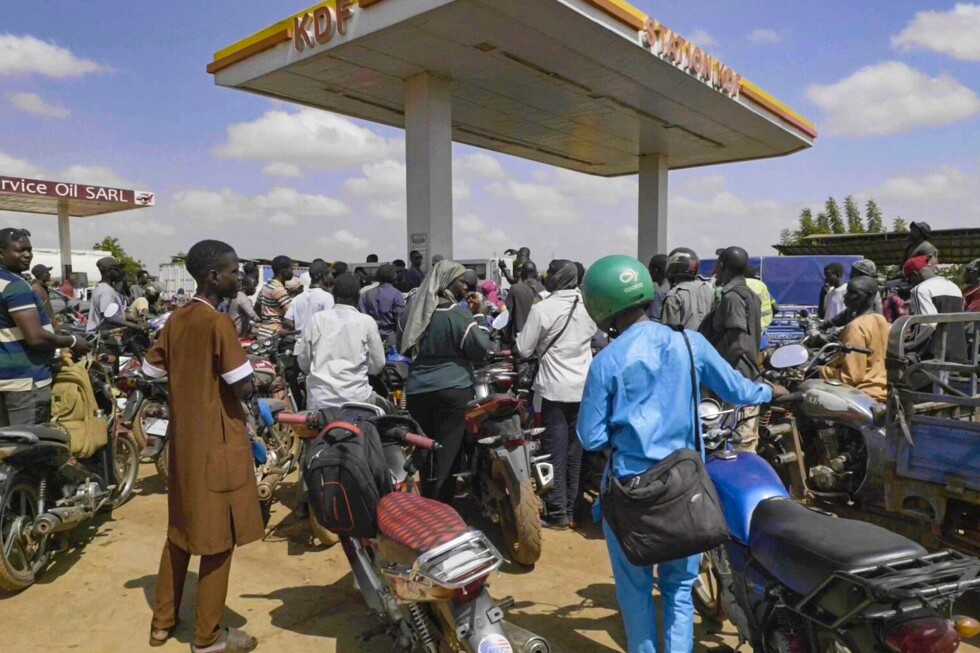
The Malian government has announced stringent fuel rationing measures to address critical shortages stemming from militant attacks on supply routes. This decision comes as al-Qaida affiliated groups operating in border regions have systematically targeted fuel infrastructure, burning over a hundred tanker trucks since September and severely disrupting imports to the landlocked nation.
Officials revealed the rationing system will implement vehicle registration and waiting periods between refueling—72 hours for cars and 48 hours for motorcycles—though no specific start date was provided. The announcement strategically precedes the Muslim holy month of Ramadan, when transportation demands typically increase.
In a significant geopolitical shift, Russian Africa Corps troops—Moscow’s state-controlled paramilitary force—have begun providing armed escorts for fuel convoys across Mali. This security collaboration marks a definitive pivot from Western alliances by Mali’s military junta and neighboring regimes in Burkina Faso and Niger, who now seek Russian support in combating Islamist militants.
Trade Minister Moussa Alassane Diallo stated the measures would enable complete governmental control over gasoline distribution, while petroleum importers union head Ibrahim Touré acknowledged military escorts were essential to resolving the crisis. However, taxi drivers in Bamako expressed grave concerns about the rationing’s impact on their livelihoods, noting their operational requirements far exceed the proposed limits.
Security analysts indicate the junta’s actions likely aim to preempt popular discontent over prolonged shortages. According to Beverly Ochieng of Control Risks, militant activity continues to pose substantial challenges to fuel transportation, suggesting supply stability will remain inconsistent in the foreseeable future.