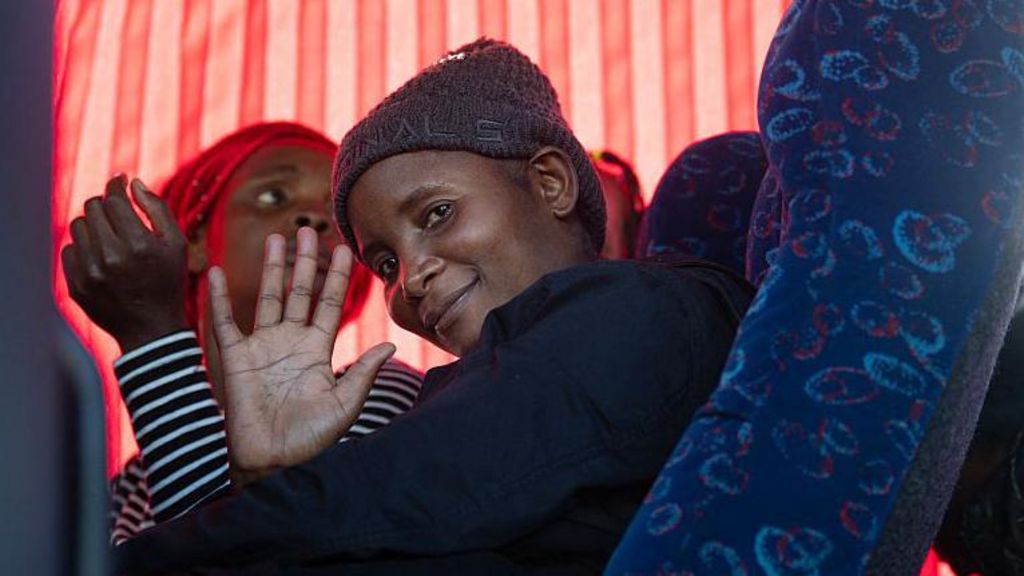
Escalating xenophobic tensions and targeted violence against foreign migrants in South Africa’s Western Cape province have triggered a wave of coordinated repatriation efforts led by several African nations, with hundreds of foreign nationals already returning to their home countries and more evacuations scheduled in the coming days.
The unrest began in Mossel Bay, a coastal city in Western Cape, where violent attacks targeting undocumented migrants left two Mozambican citizens dead last week. Eyewitness and local reports documented systematic door-to-door intimidation of foreign-born residents, forcing hundreds of non-South African nationals to flee their homes and seek emergency shelter in temporary camps set up across the area.
Among those displaced are 150 Malawian migrants, who are set to cross the border into Malawi by road on Monday, according to an official statement released by Malawi’s government in Lilongwe. The Malawian group is just one cohort of hundreds of foreign nationals that have left South Africa following the recent surge in violence. Local anti-migrant activist groups have ramped up pressure in recent weeks, issuing a public deadline of June 30 for all undocumented migrants to leave South Africa.
The violence has prompted cross-regional diplomatic response, with Ghana, Nigeria, and Zimbabwe all launching official repatriation operations to bring their endangered citizens home. Zimbabwean state media confirmed that 74 Zimbabwean migrants arrived back in their home country on Sunday, after government-organized transport evacuated them from Mossel Bay in the wake of the attacks.
Ghana has already completed two large-scale evacuation movements: a repatriation flight from Johannesburg carried nearly 300 Ghanaians at the end of May, and an additional 680 citizens reached the capital Accra over the past weekend. Nigeria, meanwhile, has adjusted its evacuation timeline: the first flight scheduled to carry 270 Nigerian nationals out of Johannesburg on Monday has been pushed back to Wednesday due to unexpected logistical challenges, according to foreign affairs spokesperson Kimiebi Imomotimi Ebienfa.
Nigerian President Bola Tinubu has authorized five total evacuation flights to bring vulnerable citizens home, and authorities have extended registration and screening for affected migrants through Wednesday to process all eligible applicants. As of press time, more than 500 Nigerians have already completed screening and received approval for repatriation as part of the federal government’s emergency response to the crisis.
In an attempt to de-escalate rising national tensions, South African President Cyril Ramaphosa addressed the nation on Sunday, announcing a new package of policy measures intended to crack down on undocumented migration. However, the president also firmly condemned vigilante violence and anti-foreigner sentiment, emphasizing that South Africa has no tolerance for discrimination. “There is no space for xenophobia, racism, sexism, Afrophobia or any other forms of intolerance” in the country, Ramaphosa stated.
The ongoing violence and mass displacement have highlighted longstanding tensions around migration and economic inequality in South Africa, with regional governments stepping in to protect their citizens as unrest continues ahead of the anti-migrant deadline set for the end of June.