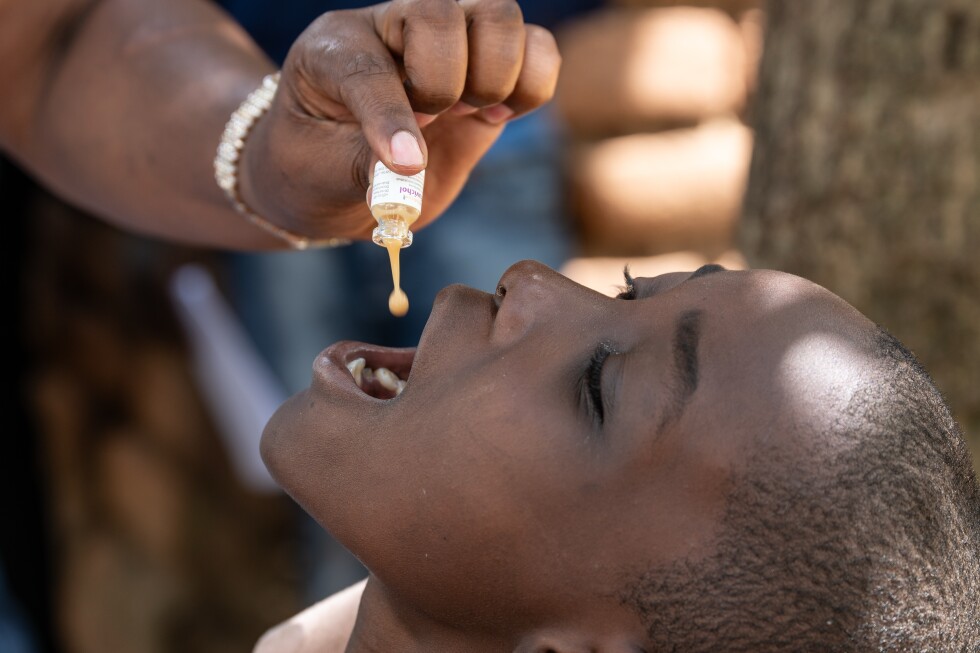
BLANTYRE, Malawi — Facing a mounting public health emergency, Malawi has initiated an urgent cholera vaccination campaign targeting high-risk communities following devastating floods that have contaminated water sources across the southern African region.
The three-day immunization drive, concluding Friday, focused on densely populated areas including Chilomoni township in Blantyre, where at least 17 confirmed cholera cases and one death have been reported in recent weeks. Health authorities warn of a concerning national uptick in infections linked to contaminated water sources.
Dr. Gift Kawalazira, Blantyre District Health Office director, identified the Muluda stream—polluted with human and animal waste—as a primary transmission source. Impoverished residents who cannot afford clean water (priced at 5 cents per 20 liters) frequently use the contaminated waterway for drinking, cooking, and washing.
Malawi aims to distribute 24,000 oral vaccines initially, targeting vulnerable populations first. This effort comes against the backdrop of Africa’s worst cholera toll in 25 years, with cases exceeding 300,000 in 2022 according to Africa CDC data.
The current crisis has been exacerbated by unusually heavy seasonal rains that have caused severe flooding across southern Africa, particularly impacting Mozambique where over 500,000 people face compromised access to safe water and food. UNICEF has warned of “a lethal combination” of waterborne diseases and malnutrition in flood-affected regions.
Globally, cholera vaccine stocks reached critically low levels in 2022 due to overwhelming demand and limited production capacity. This shortage particularly affected developing nations like Malawi, where a recent major outbreak claimed nearly 2,000 lives.
In response to recurring cholera threats, African nations are pursuing vaccine self-sufficiency. A South African pharmaceutical company began trials in November for what could become the continent’s first domestically produced cholera vaccine.
While health workers emphasize community cooperation as crucial to outbreak containment, residents like Noel Kanjere argue for sustained preventive education alongside emergency response measures.