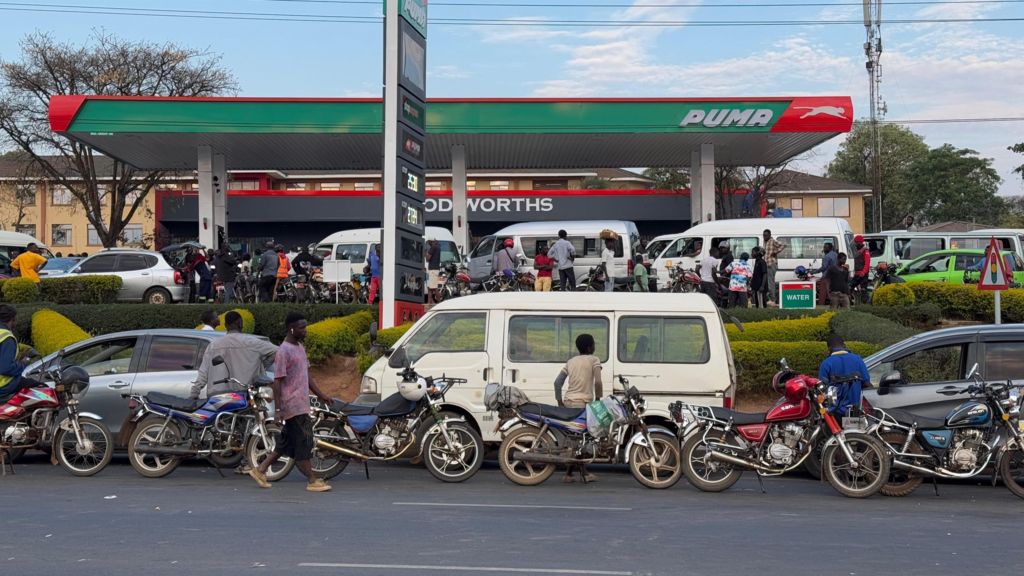
Malawi’s Energy Regulatory Authority (Mera) has announced substantial increases in fuel prices, elevating petrol and diesel costs by over 40% in its latest adjustment. This development marks the second significant price hike within a four-month period, intensifying economic pressures on citizens already grappling with a cost-of-living crisis.
The regulatory body justified Tuesday’s decision by declaring the previous administration’s fixed pricing mechanism ‘unsustainable,’ citing substantial financial losses under that system. Since President Peter Mutharika assumed office in October, cumulative fuel price increases have reached alarming levels—95% for petrol and 80% for diesel.
Mera has transitioned to an automatic pricing mechanism that aligns fuel costs with international market fluctuations and shipping expenses. Dad Chinthambi, Mera’s acting CEO, emphasized that the adjustment is essential for maintaining sustainable fuel supplies, supporting electricity services, and funding critical infrastructure projects including road maintenance and rural electrification initiatives.
Despite improvements in fuel availability compared to the severe shortages experienced under former President Lazarus Chakwera, the price surge has triggered immediate economic repercussions. Transportation fares have risen sharply nationwide, with anticipated increases in food prices and other essential goods following previous fuel and sales tax adjustments.
The Human Rights Defenders Coalition, a Malawian civil society organization, warned that ‘fuel is not a luxury commodity’ and that any increase produces cascading effects throughout the economy. Many citizens have expressed disappointment through social media and radio programs, expecting the current administration to improve economic conditions rather than replicate previous outcomes.
The government continues to pursue financial stabilization measures and is negotiating potential assistance packages with the International Monetary Fund amid growing economic challenges.