Australia’s ongoing battle against the highly pathogenic H5 bird flu strain has entered a worrying new phase, with two unprecedented developments that mark potential shifts in how the virus is spreading across the country. For months, all confirmed infections detected in Australia have been limited to migratory birds, which carry the virus along their intercontinental flight paths. That boundary has now been broken, public health and agricultural officials confirmed Friday.
In South Australia, authorities have announced the first confirmed case of the deadly strain in a native Australian seabird. The infected animal, a greater crested tern, was found dead at the Robe Marina earlier this week. It was collected for testing the same day it was discovered, and laboratory results returned Friday morning confirmed the presence of the H5 strain. Two additional confirmed cases in native giant petrels, found at Emu Bay and Port Vincent respectively, were also finalized Friday.
Clare Scriven, South Australia’s primary industries minister, sought to reassure the public that the detection does not yet signal widespread community spread of the virus to native bird populations. “Importantly, while this is the first confirmed detection in an Australian seabird, it is being treated as an isolated incident,” Scriven said. She added that critically, there have still been no detections of the virus in commercial or domestic poultry flocks, and no recorded signs of mass mortality events across any wild bird populations anywhere in the country.
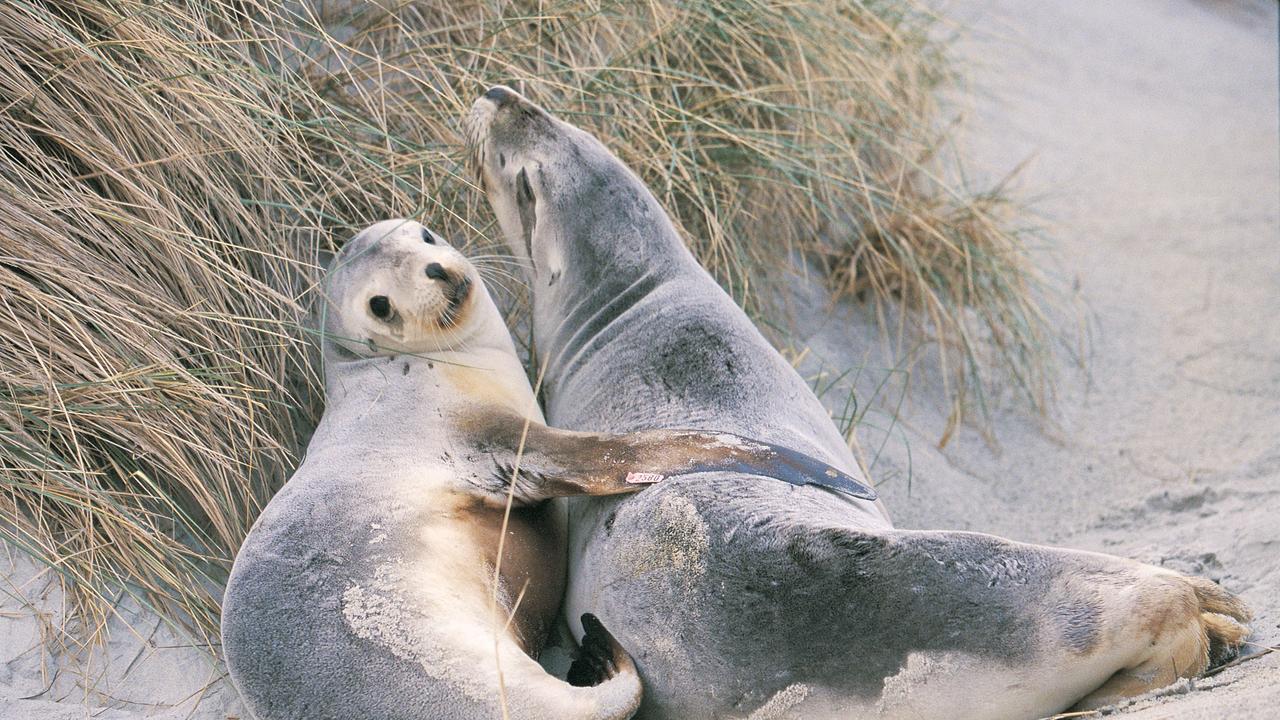
Alongside the first native bird detections, a second unprecedented development is now being investigated in New South Wales, where tests are underway on a dead New Zealand fur seal that could become the first confirmed case of bird flu in a mammal on the Australian mainland. While seals have already been recorded as susceptible to the virus—with hundreds of elephant seals killed by an outbreak on Australia’s remote sub-Antarctic Heard and McDonald Islands in recent months—any confirmed case on the mainland would mark a new expansion of the virus’s reach into non-avian wildlife on Australia’s populated coast.
Federal Agriculture Minister Julie Collins told reporters Friday that the total number of confirmed bird flu detections across Australia now stands at 12. She described the discovery of the infected tern as a “concerning development”, noting that greater crested terns are coastal seabirds whose range overlaps with the migratory seabirds that have previously tested positive for the H5 strain along Australia’s shorelines. Officials are continuing surveillance of coastal wildlife and monitoring for any further signs of spread, while maintaining biosecurity protocols to protect the nation’s poultry industry from what remains the most significant bird flu outbreak risk in Australia’s recent history.