Venezuelan President Nicolas Maduro appeared for the second time before a New York federal court on Thursday, continuing his legal challenge against U.S. charges that include allegations of drug trafficking. The hearing marked the latest development in an extraordinary international case that began with Maduro’s controversial apprehension by U.S. military forces during a raid in Caracas in early January.
During the proceedings, Maduro’s defense team vigorously argued for the dismissal of all charges, contending that the United States is violating the Venezuelan leader’s constitutional rights by preventing access to Venezuelan government funds for his legal defense. The defense maintained that Maduro was effectively ‘kidnapped’ from his official residence and remains the legitimate president of Venezuela despite his current detention.
While the presiding judge expressed skepticism regarding Washington’s justification for blocking Maduro from utilizing Venezuelan state funds, the court ultimately denied the motion to dismiss the case. This decision ensures the controversial legal proceedings will continue against the detained leader and his wife, Cilia Flores, who remains similarly incarcerated at the Metropolitan Detention Center in Brooklyn.
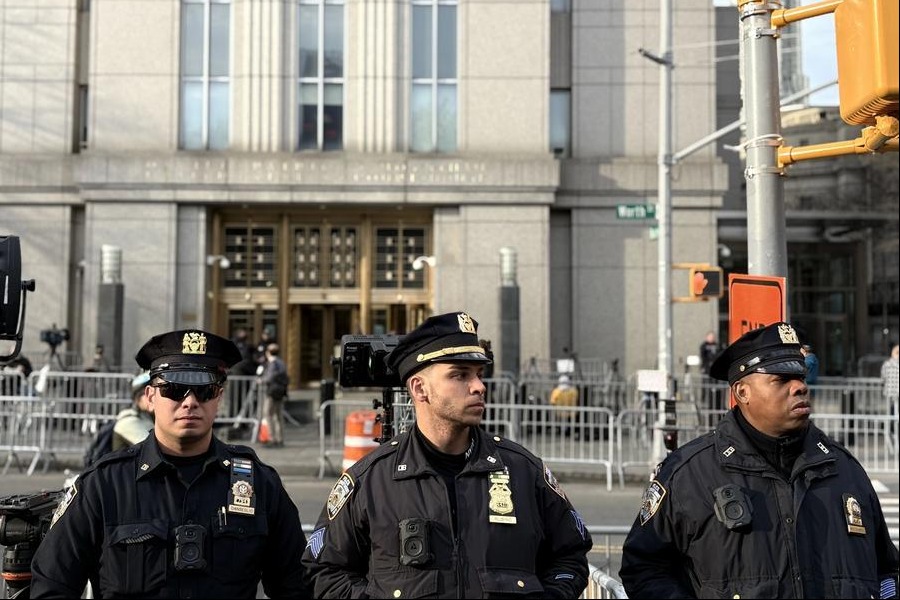
The case has generated significant international attention and condemnation, with protesters gathering outside the heavily guarded courthouse to demand the immediate release of the Venezuelan leaders. Demonstrators chanted slogans and carried signs criticizing what they characterized as U.S. overreach and violation of international norms.
Jacoe Muldoon, one of the protesters interviewed by media, articulated the sentiment of many demonstrators: ‘We’re here today standing with Nicolas Maduro and Cilia Flores. We believe the charges should be dismissed and that they should be freed immediately.’ Another protester emphasized that the United States had no legitimate authority to apprehend an elected leader of a sovereign nation, noting that the Venezuelan people remain united in facing these challenges.
The situation has broader geopolitical implications, with some observers drawing connections to other international tensions. Muldoon suggested connections between the situations in Venezuela and Iran, positing that U.S. actions represent attempts to maintain global hegemony through overseas aggressions aimed at securing resources. ‘More and more countries are standing up against the United States as it tries to maintain its dominance over the world,’ he remarked.