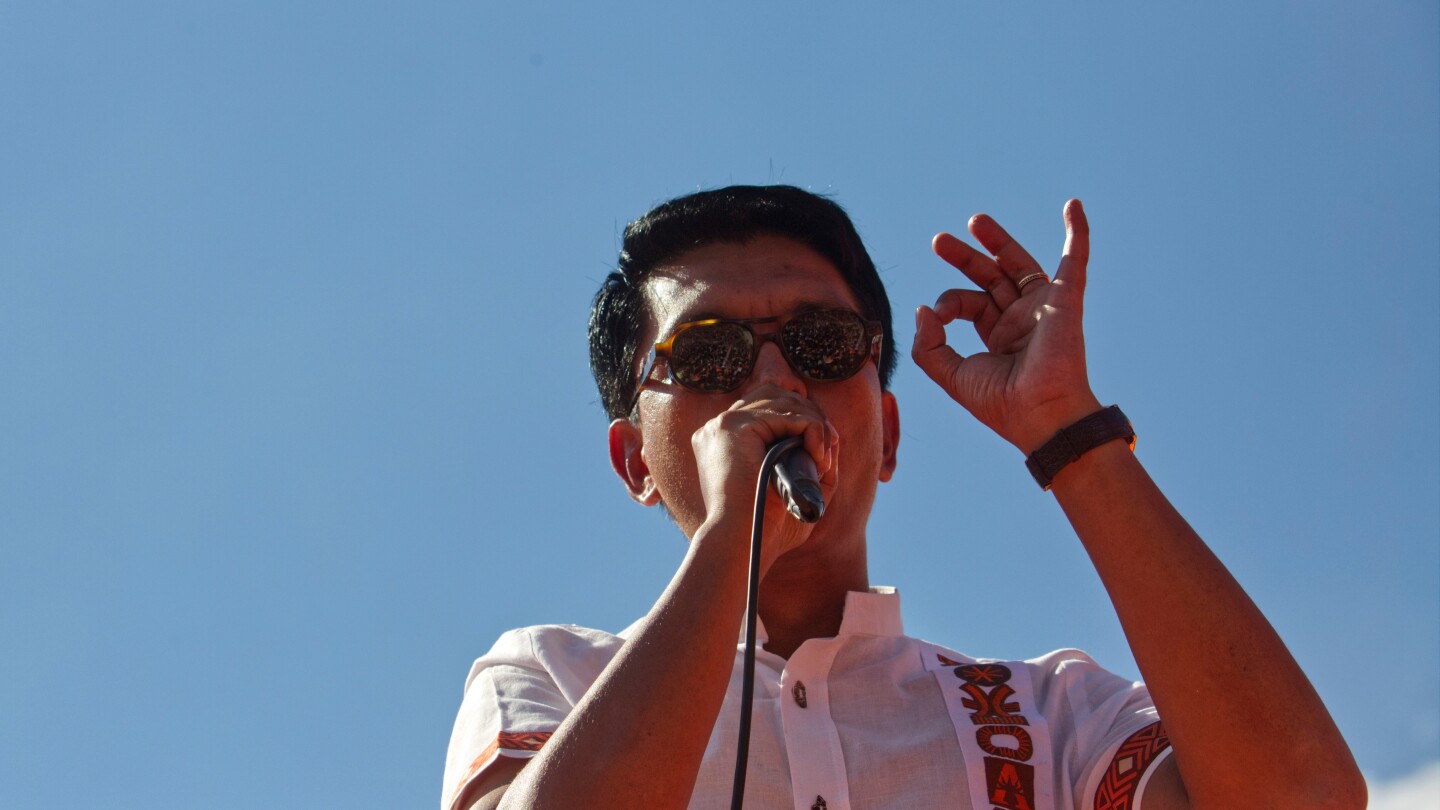
Andry Rajoelina, once a youthful and charismatic mayor, rose to prominence in Madagascar 16 years ago by leading popular protests against the government. These demonstrations culminated in a military-backed coup, propelling him to the role of transitional president at just 34 years old. After stepping down in 2014, Rajoelina returned to power in 2019 through democratic elections. However, on Tuesday, the same military unit that once supported his ascent declared it was ousting him following weeks of youth-led protests against his administration. This marks a dramatic turn in Rajoelina’s political journey, underscoring the pivotal role of both the military and the youth in his rise and fall. Rajoelina’s early career began as a radio DJ and entrepreneur, where he leveraged his media influence to form the Determined Malagasy Youth party. His anti-establishment message resonated with Madagascar’s disenfranchised youth, leading to his election as mayor of Antananarivo in 2007. By 2009, he led protests against then-president Marc Ravalomanana, accusing the government of corruption and authoritarianism. Backed by the military, these protests forced Ravalomanana into exile, and Rajoelina assumed the presidency. His tenure, however, was marked by international isolation and sanctions. After a brief hiatus, Rajoelina returned to power in 2019 but faced mounting criticism for failing to improve living standards. His controversial promotion of an unproven COVID-19 remedy further eroded public trust. Recent protests, fueled by issues like water and power shortages, corruption, and nepotism, saw widespread participation from civil society groups, unions, and government workers. The military’s support for the protesters ultimately sealed Rajoelina’s fate, highlighting the cyclical nature of political power in Madagascar.
Madagascar’s president rose to power off youth discontent and was taken down by it