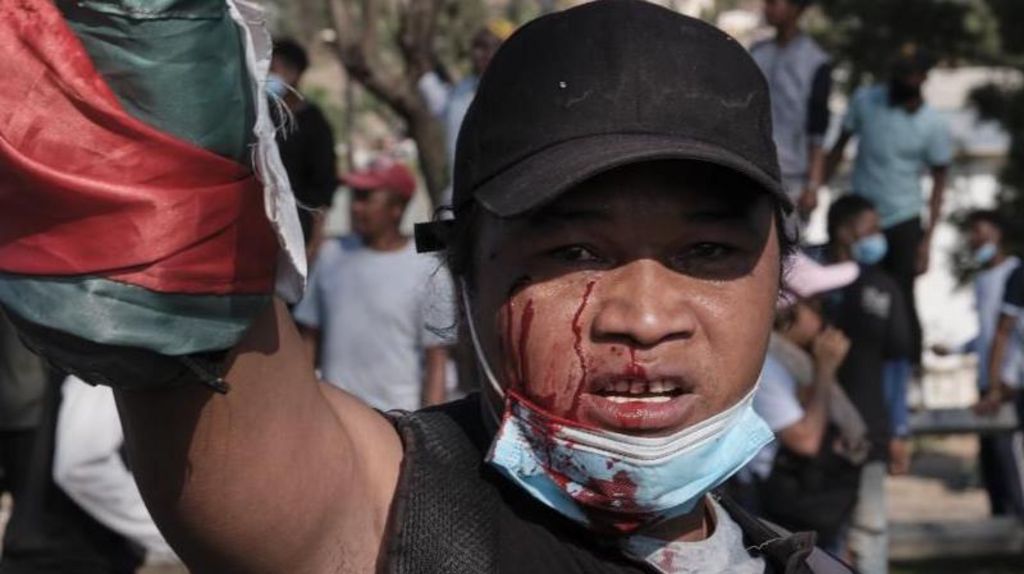
Madagascar is embroiled in a deepening political crisis as President Andry Rajoelina’s office has accused unnamed actors of attempting an unconstitutional seizure of power. This alarming declaration follows widespread protests in the capital, Antananarivo, which began on September 25 over water and power shortages but have since expanded to reflect broader grievances against Rajoelina’s administration. Issues such as rampant unemployment, corruption, and the escalating cost-of-living crisis have fueled public discontent. The situation intensified after CAPSAT, a prominent army unit instrumental in the 2009 political crisis that brought Rajoelina to power, criticized the security forces for their excessive use of force against demonstrators. In a statement on Sunday, Rajoelina condemned the alleged destabilization efforts, urging national unity to uphold constitutional order and sovereignty. The protests, led largely by Gen Z activists, underscore a growing demand for political change in the island nation. As tensions rise, the international community watches closely, with concerns mounting over the potential for further unrest and instability in Madagascar.