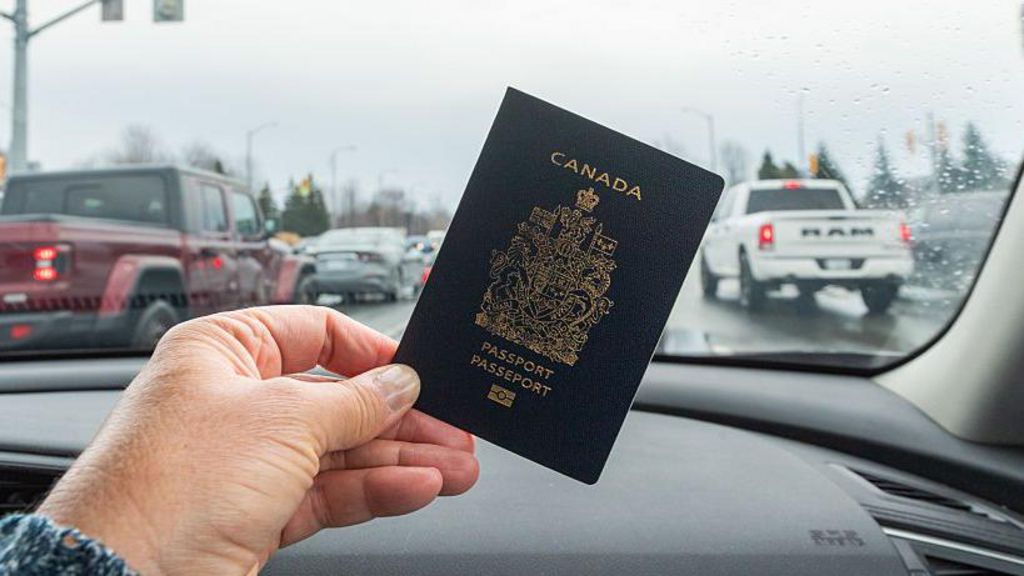
Canada has implemented significant reforms to its citizenship laws, extending automatic citizenship eligibility to children born or adopted abroad to Canadian parents who were themselves born outside the country. The new provisions, effective immediately, address what the government acknowledges as “outdated provisions” that previously left many without citizenship status.
The updated legislation requires Canadian parents to demonstrate a “substantial connection” to Canada by having resided in the country for at least three years prior to their child’s birth or adoption. This change stems from a landmark 2023 Ontario Superior Court of Justice decision that declared portions of the existing citizenship by descent laws unconstitutional.
The court’s ruling addressed consequences of a 2009 law passed under former Conservative Prime Minister Stephen Harper’s government that eliminated automatic citizenship for descendants of Canadians born abroad. The current Liberal administration chose not to appeal the decision, acknowledging that the previous legislation produced “unacceptable outcomes” for children of expatriate Canadians.
According to the Parliamentary Budget Officer’s 2024 assessment, approximately 115,000 individuals could benefit from these changes over the next five years. The reforms have not been without controversy, however. Conservative MP Michelle Rempel Garner, shadow minister for immigration, expressed concerns that the bill enables “unfettered citizenship by descent and create[s] untold citizens of convenience.”
The Conservative party, with support from the Bloc Québécois, proposed amendments that would have imposed stricter requirements including language proficiency and security checks for adult applicants. These proposed measures failed to pass in the House of Commons.
Among the immediate beneficiaries is Alfie Jones, a British-born football player recently recruited to represent Canada in the 2026 FIFA World Cup. Jones qualifies through his grandmother from Alberta, illustrating how the policy changes affect real-world cases.