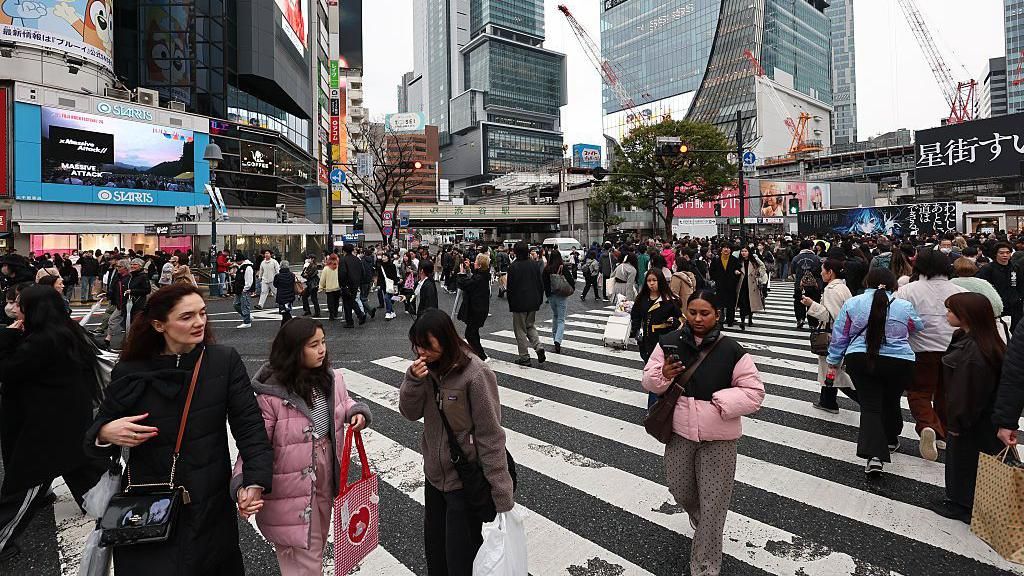
As Japan grapples with unprecedented post-pandemic growth in international tourism, one of the country’s most iconic visitor destinations is rolling out strict new penalties to crack down on public littering. Starting this Monday, anyone caught dropping trash in Tokyo’s Shibuya Ward — the bustling commercial and entertainment hub home to the world-famous Shibuya Crossing — will face an immediate fine of 2,000 Japanese yen, equal to roughly $13 USD or £9 GBP.
The new penalty regime expands beyond individual litterbugs: in targeted high-traffic districts of the ward, food and beverage retailers that fail to provide on-site waste bins for customer use will also receive financial penalties. Enforced under an anti-litter campaign branded with the slogan “if you throw trash, you lose cash,” the new system allows offenders to pay fines instantly via multiple payment methods including cash, credit card, and digital QR codes. Up to 50 dedicated enforcement officers will patrol high-footfall areas of Shibuya to monitor for violations and issue penalties on site.
Japan’s tourism sector has hit historic highs in recent years, with official data showing the country welcomed a record-breaking 42.7 million international visitors in 2025. While the boom delivers significant economic benefits, it has also created growing frictions for local communities, who increasingly report disruptions from overcrowding and public misconduct. Japan’s national public broadcaster NHK notes that local officials have recorded a sharp rise in open alcohol consumption and littering across Shibuya, a large share of which is linked to visiting international tourists.
The scarcity of public waste bins across Japan, a longstanding policy rooted in national security concerns following past domestic and international terror attacks, has been cited by many as a contributing factor to rising litter. A 2024 government survey of over 4,000 foreign visitors found that the lack of public trash facilities ranked as the top inconvenience for tourists, named by more than 20% of respondents. Shibuya Ward officials, however, rejected the lack of bins as an excuse for improper waste disposal in a public statement, noting “We cannot tolerate littering simply because there are no rubbish bins. We ask for your cooperation in creating a city where everyone can enjoy themselves comfortably.”
Shibuya is not the only Japanese community grappling with the negative side effects of overtourism. In Fujiyoshida, the small town located at the base of Mount Fuji, chronic traffic congestion, excessive litter, and repeated disruption to local daily life prompted authorities to cancel the town’s popular annual cherry blossom festival this year, citing that the surge in visitor numbers had become unmanageable for local residents.
National authorities have rolled out a suite of nationwide measures to address overtourism strains, including increasing tourist accommodation taxes, launching crowd management mobile applications that provide real-time updates on visitor density at popular sites, and supporting local governments rolling out local penalty regimes like Shibuya’s new littering fines. The current tourism boom, driven by a weakened yen making travel to Japan more affordable and widespread social media exposure highlighting the country’s cultural and natural attractions, has put unprecedented pressure on urban infrastructure and residential communities across the country.