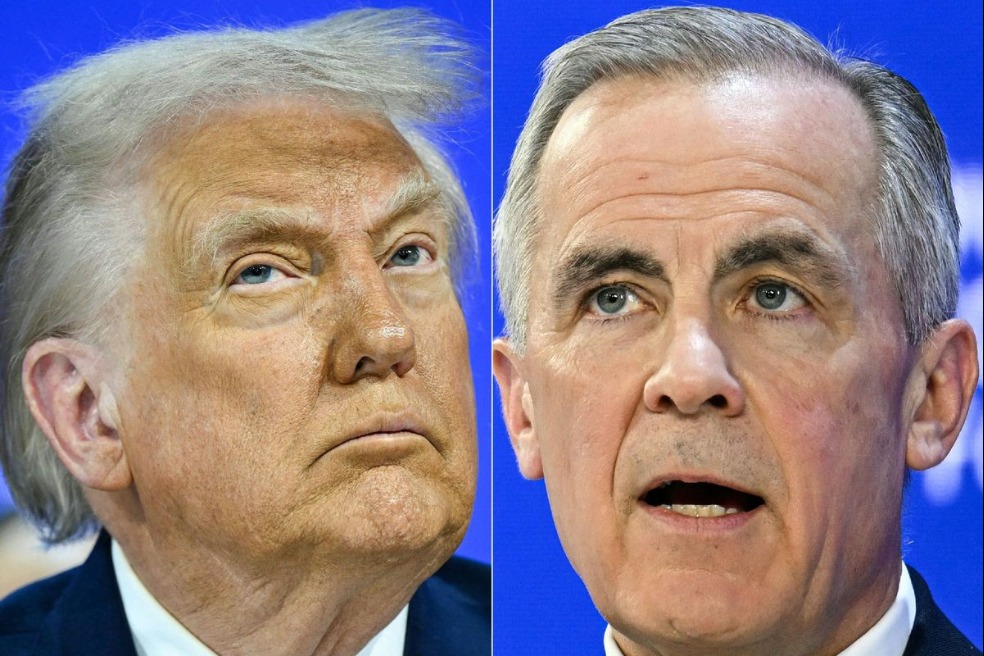
Diplomatic relations between Canada and the United States have plummeted to their lowest point in decades following Washington’s threat to impose crippling 50% tariffs on Canadian aircraft. This aggressive trade maneuver has sparked widespread concern among academics, labor representatives, and industry experts who warn of potentially devastating consequences for North American aerospace collaboration.
University of Toronto Professor Emeritus Robert Bothwell characterized the bilateral relationship as experiencing unprecedented strain, noting that current tensions recall historical lows not witnessed since the 19th century. According to Bothwell, the selection of aircraft as a target represents a strategic political calculation rather than genuine economic concern, reflecting a broader pattern of using trade mechanisms as leverage in international negotiations.
Canada’s largest private-sector union, Unifor, has condemned the proposed measures as a direct assault on the nation’s industrial economy. National President Lana Payne highlighted the historical context of American interventions in Canadian aerospace, referencing previous incidents involving the Avro Arrow and Bombardier C Series programs. The union warned that politicizing aircraft certification processes not only threatens thousands of skilled jobs but also compromises established safety protocols designed to protect public welfare.
The escalating trade dispute casts a shadow over upcoming renegotiations of the Canada-United States-Mexico Agreement (CUSMA). Bothwell predicts a contentious process driven by performative diplomacy, with the U.S. likely seeking maximum concessions through public pressure tactics. He specifically raised concerns about potential proposals for a commercial union with common external tariffs, which would effectively transfer significant aspects of Canadian sovereignty to U.S. control.
Despite the current focus on aerospace, experts anticipate continued trade friction across multiple sectors regardless of how the immediate aircraft dispute resolves. The deterioration of diplomatic trust and established trade norms suggests a fundamental recalibration of North American economic relations that will likely persist through future negotiations and policy decisions.