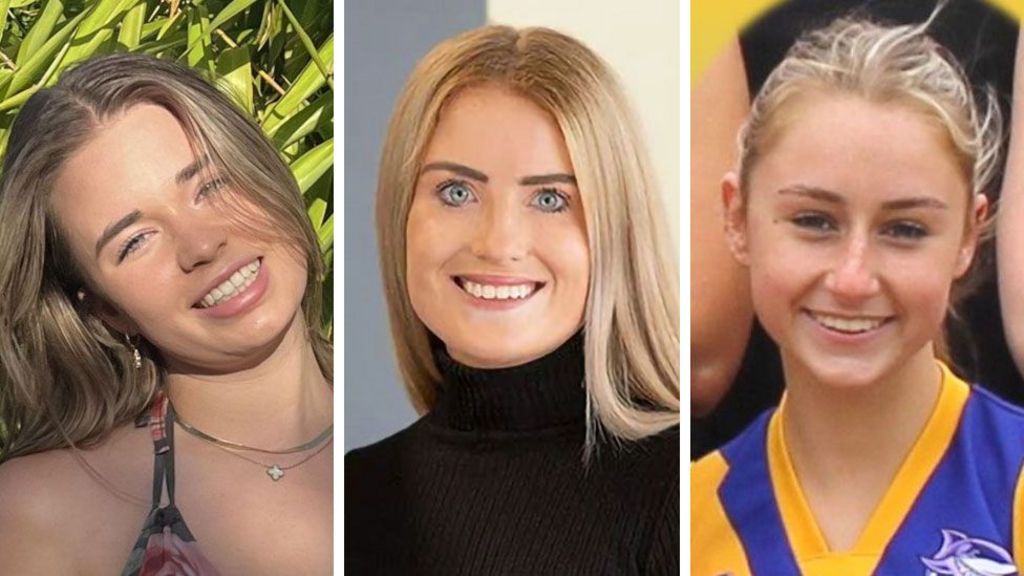
A 2024 tragedy that claimed the lives of six foreign backpackers in the popular Laotian tourist town of Vang Vieng has left international authorities frustrated after Laotian officials announced they cannot formally assign blame or confirm the exact cause of the deaths, all linked to locally produced alcohol contaminated with dangerous levels of methanol.
The fatal incident unfolded in mid-November 2024, when a group of international travelers fell ill after a night out drinking at local establishments. The victims have been identified as 28-year-old British national Simone White, 19-year-old Australian Bianca Jones, 19-year-old Australian Holly Morton-Bowles, 20-year-old Danish citizen Anne-Sofie Orkild Coyman, 21-year-old Dane Freja Vennervald Sorensen, and 57-year-old American James Louis Hutson.
In an official statement released Saturday by the Laos Ministry of Public Security, authorities confirmed that investigators lack the forensic evidence required to definitively tie the deaths to methanol poisoning or the actions of any specific individual. The gap in evidence stems from the fact that no autopsies were performed on the victims’ remains, a restriction that prevented officials from reaching a formal conclusion on cause of death. Despite this limitation, the ministry did confirm that testing found excessive concentrations of methanol in vodka produced by a local distillery connected to the incident.
Methanol is a cheap toxic chemical most commonly used in products like paint thinner. Unethical alcohol producers sometimes illegally add it to homemade spirits to cut production costs, as it shares a similar taste and appearance to ethanol. Even small doses of the chemical can be fatal: after being absorbed into the bloodstream through the gut, the body’s natural metabolic process breaks methanol down into formaldehyde and formic acid, toxic compounds that can cause organ failure and death within hours or days. Early symptoms of poisoning include vomiting, impaired decision-making, loss of coordination and drowsiness, while advanced cases develop within 12 to 48 hours, bringing abdominal pain, breathing difficulty, vision damage that can lead to permanent blindness, coma, and convulsions.
In the weeks following the tragedy, legal action has been taken, but the limited scope of charges has drawn sharp criticism from foreign governments. The owner of the implicated distillery is currently facing two charges: selling harmful food products and operating an unlicensed business. Notably, the charges do not reference the six deaths, and carry a maximum penalty of just one year in prison and a fine equivalent to roughly $1,100 USD. Earlier this year, 10 staff members connected to the Nana Backpacker Hostel, where many of the victims were staying, were charged with destroying evidence, each receiving suspended sentences and a fine of around $185 USD.
The Australian government has publicly condemned the limited legal action, saying it is “deeply frustrated and bitterly disappointed” that more severe charges have not been filed over the deaths of the two Australian backpackers. In response to the outcome, Australian foreign ministry officials summoned Laos’ ambassador to Canberra to discuss the case. The British government has also responded by launching a new public awareness campaign to warn British travelers visiting Southeast Asia of the severe risks of unregulated methanol-tainted alcohol, publishing a full list of poisoning symptoms to help tourists seek urgent care if exposed.
Vang Vieng, a scenic riverside destination in central Laos, has long been a key stop on the Southeast Asian backpacker trail, drawing thousands of young international travelers every year. The tragedy has highlighted ongoing risks of unregulated alcohol production in popular tourist regions, and raised questions about accountability for incidents that harm foreign visitors.