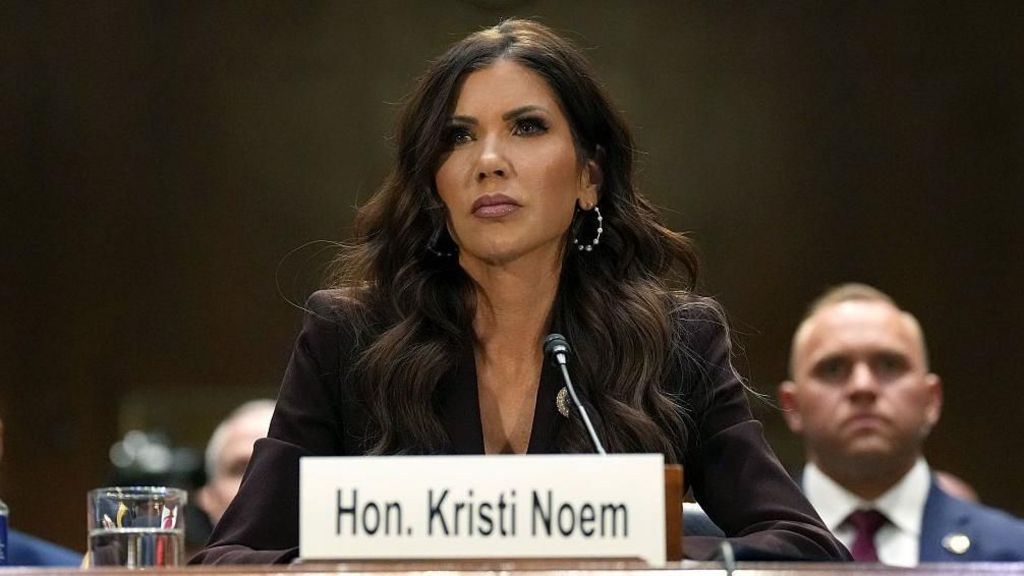
Homeland Security Secretary Kristi Noem encountered intense bipartisan interrogation during a Senate committee hearing on Tuesday, defending her department’s controversial immigration enforcement strategies amid a partial government shutdown and allegations of excessive force.
The hearing revealed deep divisions over the Department of Homeland Security’s current operations, with Democrats withholding funding pending reforms while Republicans largely supported the department’s border security objectives. Noem maintained that DHS was achieving “historic results” in enhancing community safety through President Trump’s immigration agenda.
The most contentious moment emerged during questioning by Senator Amy Klobuchar (D-MN) regarding January’s Operation Metro Surge, where immigration raids triggered widespread protests in Minneapolis. Klobuchar highlighted the fatal shooting of two American citizens—Renee Good and Alex Pretti—by DHS agents during the operation. Government officials claimed the officers acted in self-defense, though video evidence appeared to contradict initial reports about Pretti’s actions.
Noem faced particular criticism for previously characterizing Pretti’s presence at the scene as “domestic terrorism” without substantiating evidence. When pressed to apologize to Pretti’s grieving parents, Noem acknowledged their tragedy but declined to retract her earlier statements, explaining she had relied on preliminary information.
Republican senators expressed their own concerns about departmental management. Senator John Kennedy (R-LA) questioned a $220 million advertising campaign encouraging self-deportation, particularly regarding contracts allegedly awarded to firms with connections to Noem’s associates. Noem denied involvement in contractor selection, emphasizing a “competitive bid process” approved by the administration.
Senator Thom Tillis (R-NC) voiced unusual Republican criticism, arguing that the department’s deportation methods were creating public perception problems. “Americans were beginning to think that deporting people is wrong,” Tillis stated. “It’s the exact opposite. The way you’re going about deporting them is wrong.”
The hearing concluded without resolution regarding the department’s funding stalemate or policy direction, reflecting the ongoing national debate over immigration enforcement methodologies.