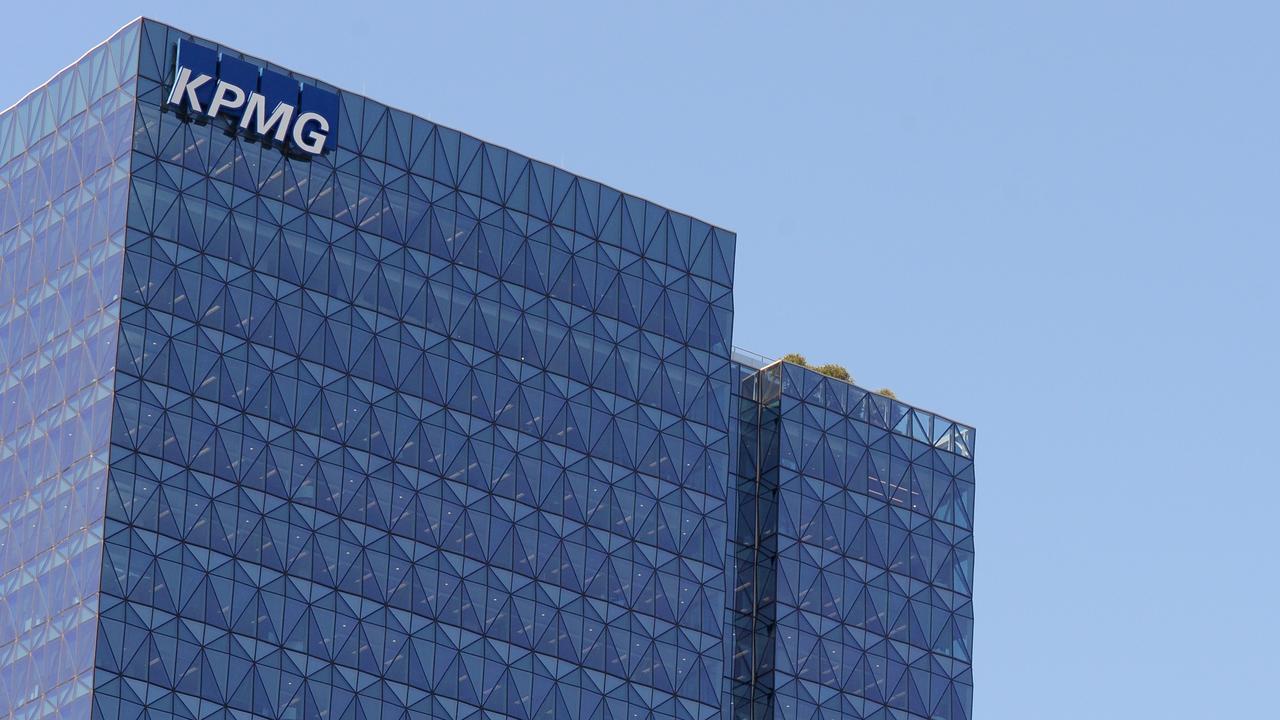
One of Australia’s most prominent big four accounting firms, KPMG Australia, has been thrown into turmoil after the abrupt resignations of its chief executive officer Andrew Yates and national audit and assurance leader Julian McPherson, forced by a public board admission that the firm failed catastrophically in its handling of a high-stakes whistleblower complaint. Both departures took effect immediately, with McPherson set to exit the firm entirely once a structured handover of his existing client responsibilities is completed.
In a formal statement released through the firm, Yates took full personal accountability for the institutional failure, noting that he had long championed a transparent “speak-up” culture within the firm. “It is clear that in this case we have let ourselves down and I take accountability,” Yates said.
The controversy centers on explosive allegations raised by a whistleblower regarding misuse of confidential client information by KPMG partners. The whistleblower claims that partners leveraged internal board documents from long-term client Lendlease to gain an unfair competitive advantage when bidding for an external audit contract with major banking group Westpac. When the claims were first raised, KPMG’s initial internal investigation, which received backing from an external legal review, dismissed the allegations out of hand. The firm later conceded that this initial inquiry lacked the required rigor to thoroughly examine the claims, prompting the whistleblower to escalate the matter directly to KPMG Australia’s board. Independent law firm Allens was brought in to revisit the case, and has continued to challenge the findings of the original flawed investigations.
The simultaneous resignations came on the same day that the case was discussed during an Australian parliamentary inquiry held Friday. During the hearing, Labor Senator Deborah O’Neill referenced a letter received by Lendlease CEO Tony Lombardo that confirmed the KPMG team had used the confidential Lendlease materials to inform its Westpac tender bid. Senator O’Neill told the inquiry that Lendlease itself labeled the firm’s actions “not acceptable.”
In a public statement addressing the scandal, the KPMG Australia board openly acknowledged that the firm had “fallen short” on multiple fronts: in its treatment of the whistleblower, in its management of the whistleblower’s concerns, in the execution of the initial investigations, and in the leadership response to the serious allegations. KPMG Australia Chairman Martin Sheppard issued an unreserved apology directly to the whistleblower, saying the firm was committed to systemic reform to prevent similar failures. “We commit to learning from this process to ensure we create an environment where it is safe and easy to surface concerns that will be acted upon,” Sheppard said.
Sheppard also extended apologies to KPMG clients, whose confidential information was not handled with the level of care and respect they are entitled to expect from the firm, as well as to the firm’s broader employee base, noting that the institutional failure does not reflect the daily work and integrity of the majority of KPMG staff. KPMG confirms that a full, independent investigation into the full circumstances of the case remains ongoing, with further updates expected as the probe progresses.