The West African Sahel region has witnessed a dramatic escalation in high-profile kidnappings of foreign nationals throughout 2025, with Islamist militants employing abduction as both economic strategy and political weapon. This alarming trend represents a strategic shift by al-Qaeda affiliate Jama’at Nusrat al-Islam wal-Muslimin (JNIM), which has transformed kidnapping into a sophisticated revenue stream while simultaneously undermining regional governments.
Marin Petrović’s harrowing experience exemplifies this crisis. The Bosnian mountain rescue expert documented his 55-day captivity after JNIM militants intercepted his vehicle en route to Mopti’s historic mosque. His Instagram testimony reveals brutal conditions: sleeping on bare ground, drinking contaminated water, and surviving on minimal rations while surrounded by wildlife and armed guards. Despite his ordeal, Petrović observed unexpected humanity among some captors, noting that ‘many of them have a heart’ beneath their militant exterior.
Statistical analysis reveals disturbing patterns. According to ACLED conflict monitoring data, 30 separate kidnapping events targeted foreigners by November 2025, with final numbers expected to surpass previous years significantly. Chinese nationals constitute the largest demographic among abducted foreigners, representing 38 of 89 documented cases—primarily workers in Mali’s gold mining regions where Chinese corporations have expanded operations amid soaring gold prices.
The economic dimensions are staggering. Ransom payments allegedly contribute up to 40% of JNIM’s annual revenue, with one UAE royal family member’s release reportedly commanding $50 million. This financial incentive combines with strategic objectives: by targeting foreign workers, JNIM destabilizes Mali’s economy and strains international partnerships, particularly China’s significant mining investments.
Analyst Héni Nsaibia of ACLED explains this dual motivation: ‘Ransom provides obvious incentive, but kidnapping primarily serves broader economic warfare with direct ramifications for bilateral relations.’ The group’s recent avoidance of Western targets suggests calculated public relations efforts to build international credibility, contrasting with their continued targeting of Chinese nationals who receive less diplomatic protection.
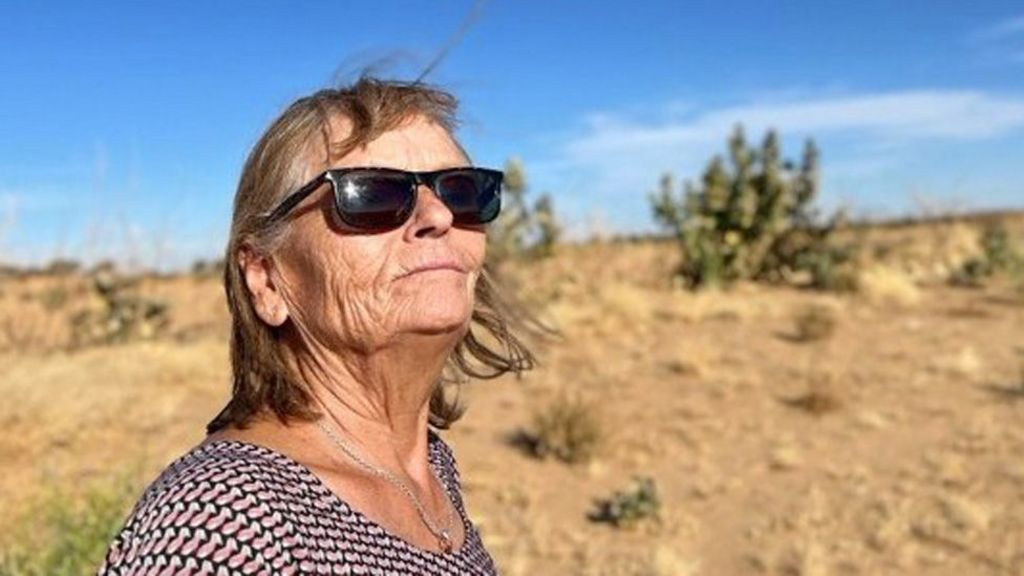
While Petrović eventually gained freedom without ransom payment, others remain captive. Austrian humanitarian worker Eva Greztmacher, now 74, has endured over a year in desert conditions with temperatures reaching 50°C (122°F). Her son Christoph maintains cautious optimism while coordinating discreet efforts for her release, acknowledging the delicate balance between media attention and negotiation tactics.
The crisis continues evolving. Recent Chinese embassy warnings against ‘illegal gold mining’ and personnel evacuations signal growing governmental concern, though official intervention remains limited. As JNIM refines its kidnapping calculus—weighing financial gains against political consequences—foreign workers and travelers throughout the Sahel face increasingly perilous conditions with no comprehensive solution in sight.