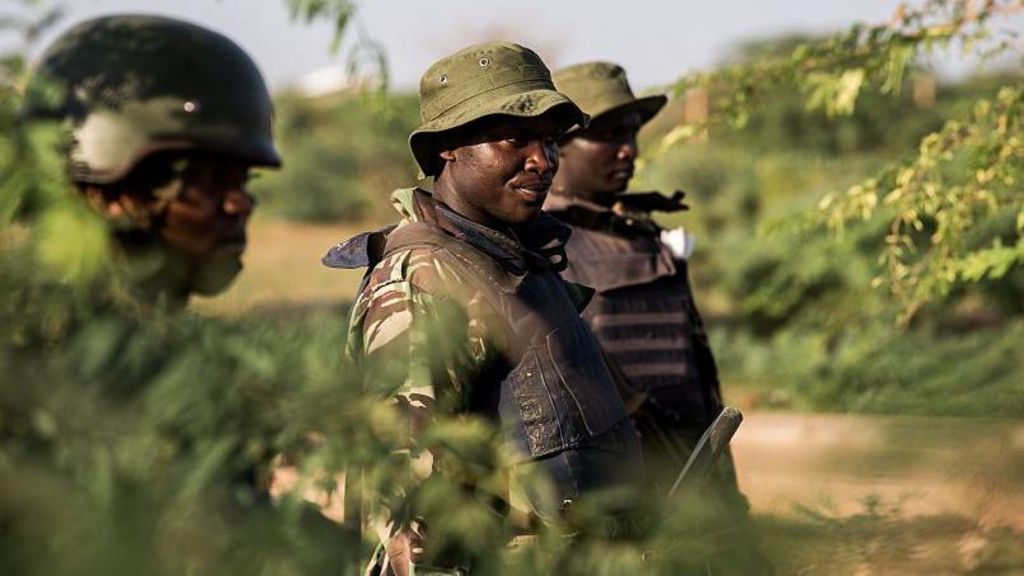
After nearly 15 years of closure due to security concerns, Kenya will reopen its border with Somalia in April, President William Ruto announced during a visit to the border town of Mandera. The decision follows extensive security assessments and comes despite persistent threats from the al-Shabab militant group.
The border closure was initially implemented in response to a series of devastating attacks orchestrated by the Somalia-based extremist organization. These included the 2013 Westgate shopping mall siege in Nairobi that claimed 67 lives and the 2015 Garissa University assault that resulted in 148 fatalities. Other significant incidents include the 2014 Mandera bus attack that killed 28 passengers and a 2019 hotel assault in Nairobi that left at least 21 dead.
President Ruto emphasized that security remains paramount, with plans for heavy deployment of security forces to monitor the two designated crossing points. ‘It is unacceptable that fellow Kenyans in Mandera remain cut off from their kin and neighbors in Somalia due to the prolonged closure,’ Ruto stated on social media platform X.
The reopening initiative, previously announced in 2023 but postponed due to continued security concerns, aims to revitalize cross-border trade and reunite communities separated by the closure. The president called on local residents to collaborate in combating al-Shabab, describing the militants as ‘useless criminals and terrorists.’
Kenya had previously initiated construction of a 680-kilometer (423-mile) border barrier in 2015 to counter militant infiltration, but the project was suspended after nearly three years of work. Ongoing concerns about weapons smuggling and contraband trade have complicated border management efforts throughout the closure period.