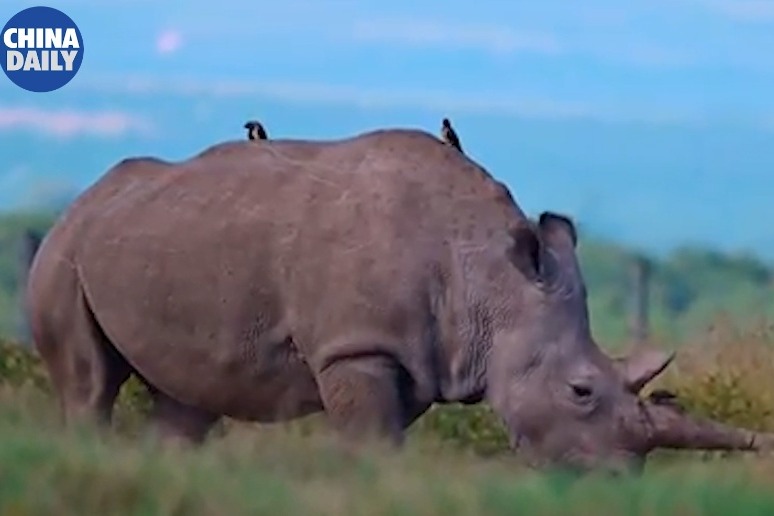
In the vast expanses of Kenya’s Ol Pejeta Conservancy, located approximately 200 kilometers northeast of Nairobi, a monumental conservation drama unfolds. Fatu and Najin, the planet’s last two surviving northern white rhinos, embody both the tragic brink of extinction and humanity’s most determined efforts to reverse ecological tragedy.
This critical conservation initiative represents an unprecedented fusion of international expertise, cutting-edge reproductive science, and wildlife preservation commitment. With no surviving male northern white rhinos remaining, conventional breeding methods have become impossible, pushing scientists toward extraordinary technological interventions.
A global coalition comprising reproductive biologists, wildlife veterinarians, and conservation specialists has mobilized to develop advanced assisted reproductive techniques. These include pioneering in vitro fertilization procedures and stem cell research aimed at creating viable embryos from the remaining genetic material.
The conservation team has established an ambitious timeline targeting the birth of a northern white rhino calf by 2028. This goal hinges entirely on the success of current scientific breakthroughs being achieved in laboratories and research facilities supporting the field operation.
The Ol Pejeta Conservancy has transformed into both a sanctuary and a living laboratory, where the preservation of these last two rhinos represents a symbolic battle against the global biodiversity crisis. Their survival has become a testament to human responsibility and technological potential in addressing conservation challenges that once seemed insurmountable.