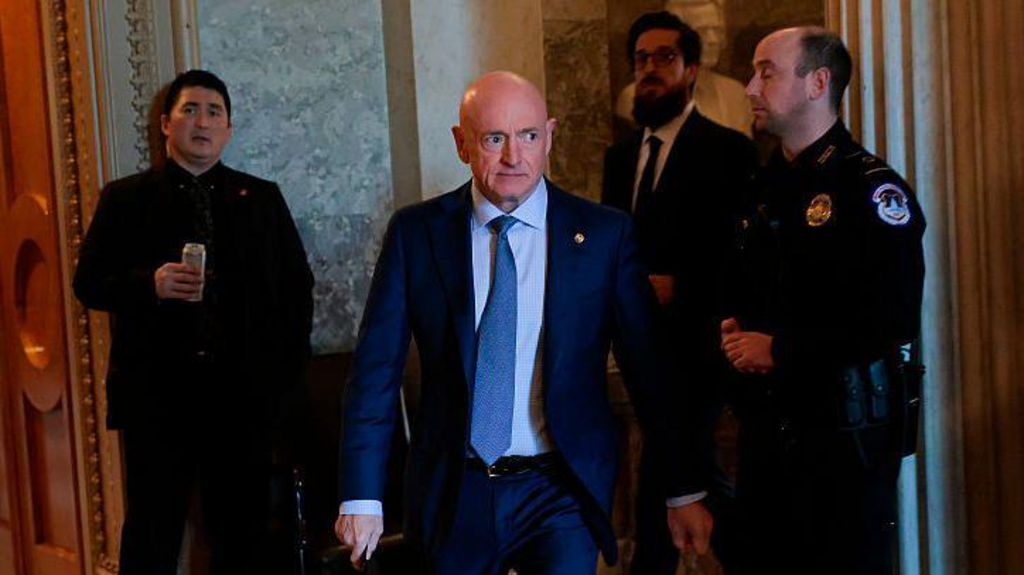
A significant legal confrontation has emerged between U.S. Senator Mark Kelly (D-Arizona) and Defense Secretary Pete Hegseth, centering on allegations of unconstitutional retaliation for political speech. The lawsuit, filed by Senator Kelly, contends that the Pentagon unlawfully initiated proceedings to reduce his military retirement rank following his public criticism of the Trump administration’s policies.
The dispute originated when Senator Kelly, a former Navy captain and NASA astronaut, participated in an instructional video alongside five fellow Democratic legislators last November. The video informed military personnel of their legal right to refuse unlawful orders, a position that drew fierce condemnation from then-President Donald Trump, who labeled the remarks ‘seditious’ on his Truth Social platform.
In response, Defense Secretary Hegseth announced formal proceedings to review and potentially downgrade Kelly’s retirement grade—a move that could substantially reduce the senator’s pension benefits. Hegseth characterized Kelly’s statements as violations of the Uniform Code of Military Justice.
Kelly’s legal challenge asserts multiple constitutional violations, arguing the Pentagon targeted him specifically for the content and viewpoint of his political speech without proper legal authority. The lawsuit emphasizes that no statutory provisions authorize the Defense Department to revisit retirement determinations based on post-service political expression, warning that such precedent could threaten the retirement security of all military veterans.
The case highlights ongoing tensions between the Trump administration and military figures who have voiced dissent. Kelly, who has established himself as a centrist Democrat with defense expertise, previously criticized the administration’s deployment of National Guard troops in U.S. cities including Portland, Los Angeles, and Washington D.C.—deployments that have prompted separate legal challenges regarding their lawfulness.
Neither the Pentagon nor the White House has offered immediate commentary on the pending litigation. The outcome could establish significant precedent regarding free speech protections for retired military personnel engaged in political discourse.