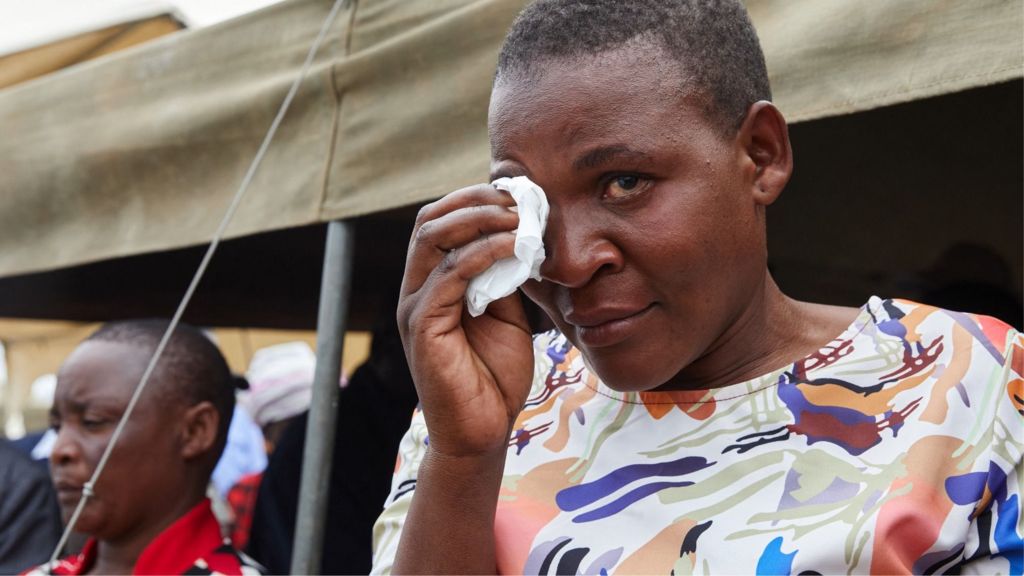
One week after a devastating ferry overturn on Zimbabwe’s Lake Kariba, the country’s deadliest transport accident on record, the confirmed death toll has climbed to 93, according to Zimbabwe’s state-run *Herald* newspaper.
The vessel was officially certified to carry just 90 passengers, but preliminary estimates indicate at least 168 people were crowded on board when a powerful storm wave capsized the craft. Police updated the casualty count Tuesday, confirming that nine additional bodies were recovered by search divers in the days following an earlier count of 84 over the weekend. Recovery teams are now retrieving remains farther from the original sinking site, with many bodies drifting across the border into Zambian waters, per the *Herald*.
Straddling the Zimbabwe-Zambia border, Lake Kariba ranks among the largest man-made reservoirs on Earth, serving as a critical multi-purpose resource for both nations: it supports commercial and artisanal fishing, regional transport links, and generates hydroelectric power that supplies millions of households across the region. For rural Zimbabwean communities, ferries are an affordable and essential transport option, and the ill-fated vessel was carrying a mix of traders and parents returning children to their homes for the start of school holidays. To date, 67 passengers have been pulled alive from the lake, provincial affairs minister Marian Chombo confirmed.
In the wake of the tragedy, President Emmerson Mnangagwa declared a national state of disaster, and professional divers have continued round-the-clock search and recovery operations. A memorial service for the victims was held last week at a local stadium in Kariba to honor those lost.
Identification of recovered remains has emerged as a major challenge for authorities. As of Tuesday, 83 of the 93 recovered bodies have been formally identified, 39 of which are children. For many remains, family members have only been able to confirm identities through clothing and personal belongings, leading officials to warn that DNA testing will soon be required to match unrecognized remains. “We are running out of time and DNA may now be needed to assist in the identification process,” Chombo told the *Herald*.
Survivor accounts have painted a grim picture of unsafe conditions on the ferry before the capsizing. Itayi Marumisa, a 40-something trader from Mola village who survived the accident, told Agence France-Presse that the vessel was heavily overloaded not just with people, but with cargo, and that passengers had already raised alarms about rough lake conditions before the wave hit. “The life jackets were buried under the luggage, and not more than 30 people managed to get them,” Marumisa said. “Children were screaming and most of the passengers were vomiting, but the captain did not seem to care.”
Local communities are reeling from the scale of the loss, with multiple families facing total wipeouts of their loved ones. Tight Bhusumani, a local councillor for Mola who lost his own child in the disaster, told the *Herald* that the tragedy has left deep scars across the region. “We have distressing cases where a child lost both parents and other siblings, leaving them as the only surviving member of the family,” he said. Dozens of families are still waiting for confirmation of whether their missing relatives, who were believed to be on board the ferry, are alive or dead, he added.