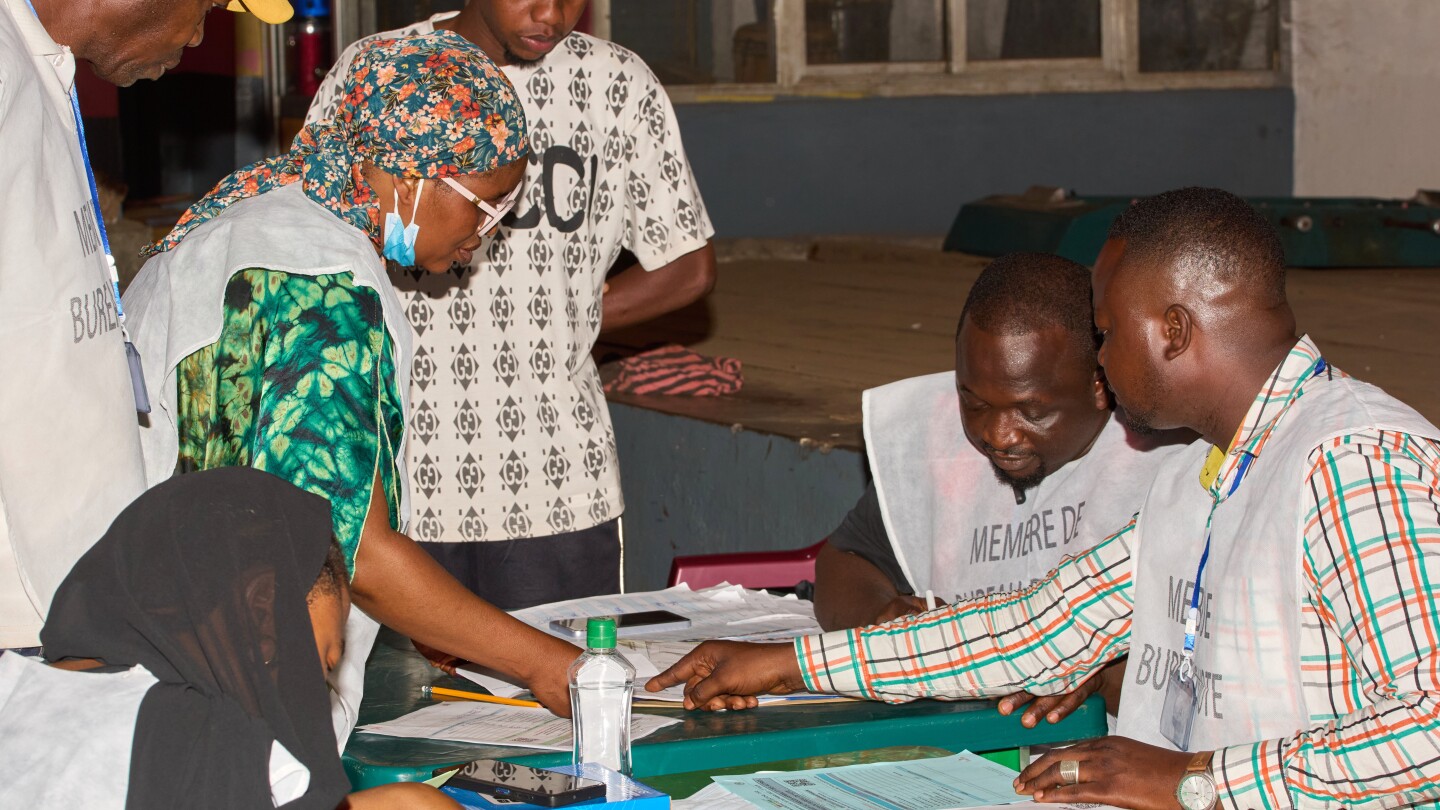
CONAKRY, Guinea — General Mamdi Doumbouya, the military leader who seized power in a 2021 coup, has been proclaimed the winner of Guinea’s presidential election according to partial results released Tuesday evening. The electoral authority reported Doumbouya secured 86.72% of tallied votes in the nation’s first electoral process since the military takeover.
The election, widely perceived as an effort to legitimize Doumbouya’s continued rule, culminated a four-year transition period following his ouster of President Alpha Condé. Pre-election analysis accurately predicted the junta leader’s victory amid a significantly weakened opposition landscape. Critics note the systematic suppression of dissent resulted in the dissolution of over 50 political organizations and the exclusion of major opposition figures through technical disqualifications or forced exile.
Yéro Baldé, a former education minister under Condé’s administration, trailed distantly with 6.51% of votes. Electoral officials reported substantial voter participation, with 80.95% of the registered 6.7 million electorate casting ballots.
Doumbouya’s candidacy marked a reversal of his initial post-coup commitment that military officers would abstain from electoral politics. A September referendum facilitated this political U-turn by permitting military participation and extending presidential terms from five to seven years.
Despite Guinea’s substantial mineral wealth and 15-million population, approximately half of citizens endure poverty and record food insecurity according to World Food Program assessments. The junta has prioritized the Simandou iron ore project—a predominantly Chinese-owned mining initiative at the world’s largest iron deposit—as central to economic revitalization. After decades of delays, production commenced last month, with authorities anticipating thousands of jobs and expanded investments in education and healthcare.
Guinea joins multiple West African nations experiencing coups or attempted power seizures since 2020, where military leaders have capitalized on public dissatisfaction with security deterioration, economic underperformance, and contested elections. The region witnessed additional military interventions in Guinea-Bissau and Benin since November.