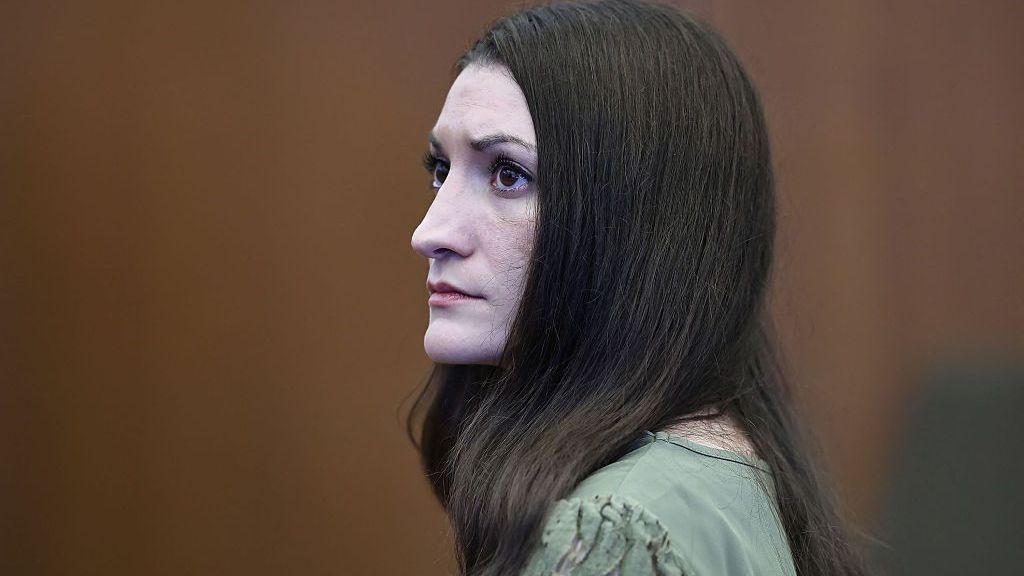
A Massachusetts superior court judge has formally denied all three defense motions seeking to throw out the high-profile murder case against Lindsay Clancy, the Duxbury woman who is accused of killing her three young children in 2023, multiple local and international legal media outlets confirmed this week.
The ruling from Judge William Sullivan follows a September mistrial, when a 12-member jury after days of deliberation announced it could not reach a unanimous verdict on the charges against Clancy. In the wake of that hung jury, Clancy’s legal team filed three separate motions to end the case permanently, the most prominent of which argued that a second trial would violate the U.S. constitutional protection against double jeopardy, the longstanding legal principle that prohibits a person from being prosecuted twice for the same alleged offense. Defense attorneys further contended that Judge Sullivan had acted improperly and prematurely when he declared the September mistrial, claiming he should have explored alternative procedural steps to push the jury toward a consensus rather than scrapping the entire proceedings.
Judge Sullivan, in his Monday published ruling, rejected that double jeopardy argument outright, stating that the circumstances of the deadlocked jury fully justified the mistrial declaration and that a subsequent retrial would not infringe on Clancy’s constitutional rights. The judge also turned down a separate defense motion that would have granted legal teams access to the private records of the single juror who had refused to align with the rest of the panel, as well as a request to summon that juror for sworn questioning to investigate their deliberation conduct.
Clancy has never disputed that she caused the deaths of her three children in their family home in 2023, but her defense team has consistently maintained that she was in the grips of severe, untreated postpartum psychosis at the time of the incident, a severe mental health break that negates criminal responsibility for her actions. Prosecutors, by contrast, have argued that the deaths were deliberate, premeditated acts that warrant full criminal murder charges.
With the dismissal motions now resolved, the prosecution team retains full discretion over the trajectory of the case ahead of the next scheduled hearing on November 16, where parties will hash out a formal timeline for the second trial. Prosecutors could choose to proceed with the full original murder charges, negotiate a plea deal, or downgrade the severity of the charges ahead of the new proceedings. Judge Sullivan previously indicated that the earliest possible start date for the retrial would be March of next year.